

Explore our upcoming Evidence for Learning events to connect, get inspired and enhance impact.

Starting your EfL journey

A guide for SEND practitioners.

This guide has been shaped by conversations with SENDCos, teachers, SLT, and other educators across mainstream, Integrated Resource and specialist settings already using Evidence for Learning day to day.
 

Getting started

What surprises many educators is how quickly EfL stops feeling like “another system” and becomes part of how they observe, plan and reflect.

EfL works best when you keep it simple, keep it purposeful and keep the child at the centre. Many education professionals begin their EfL journey with the same shared priorities:

And above all, they want a way to bring everyone together around each child to provide the very best support.

  • 1
    Capture

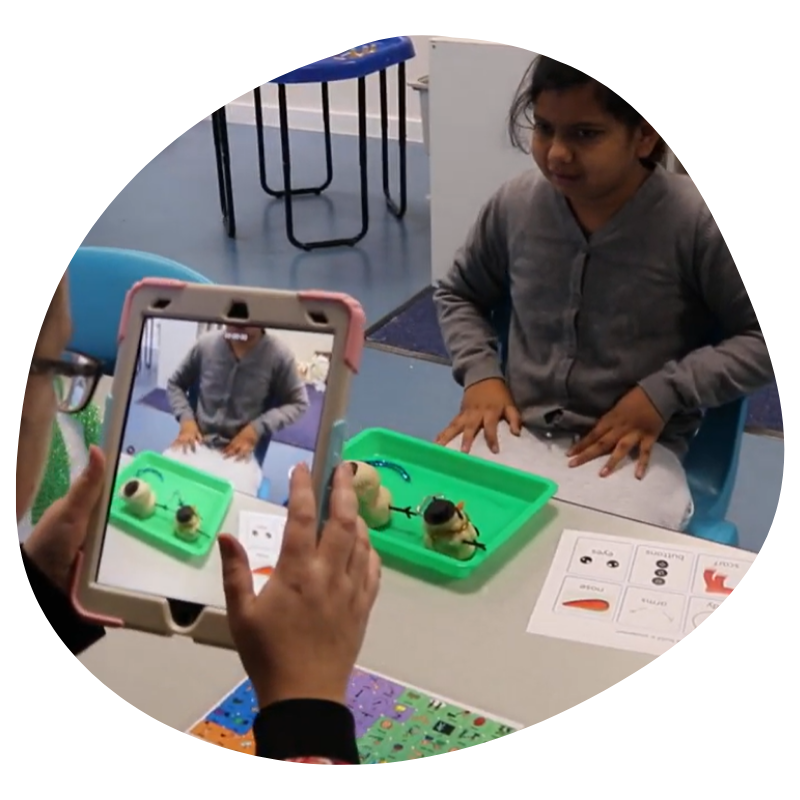
    Take a photo or video of the learning as it happens

  • 2
    Review

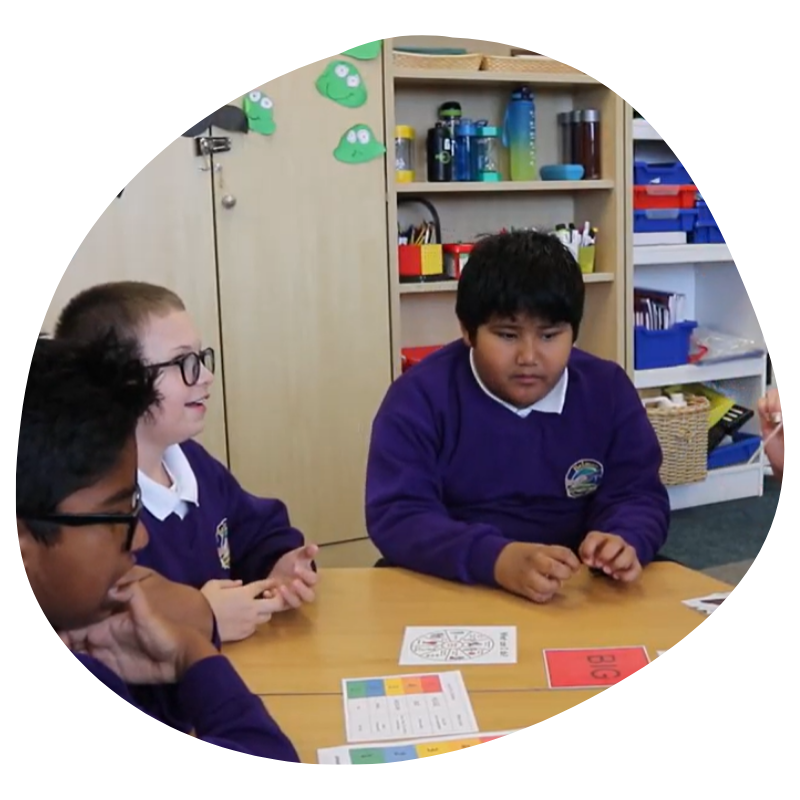
    Meet at the end of the week to discuss with colleagues

  • 3
    Tag

    Map evidence to your existing frameworks

  • 4
    Plan

    Plan next steps and future sessions

In practice, many teachers often start by taking a few simple steps:

Starting small: with one class, one provision, or one group of pupils.

Agreeing a shared purpose: for example, improving reviews, capturing small steps of progress, or strengthening home–school communication.

Focusing on quality, not quantity: collecting evidence that genuinely reveals development and learning

“I think for me it's ‘start small.’ We looked at the SEND support plans and we looked at one small step toward an outcome, and we just took a baseline assessment on that outcome and went from there… Some children have got eight, nine, ten outcomes. And that's a lot when you're first starting out. So, actually focusing on one, getting used to having those reflective conversations with other practitioners that are involved with the child.”

Viki Divitt
SENCo & Deputy Headteacher, Anston Hillcrest Primary School

EfL as the Engine of the Graduated Approach

Educators working with children with SEND are constantly making decisions: what’s engaging, what’s landing, what’s not landing and what to try next.


The graduated approach asks us to assess, plan, do and review, and then do it again.

EfL gives practitioners a hub that’s easy to record their daily observations, be interrogated and be built on, so the child’s next step is grounded in what’s actually happening in the room, instead of practitioners relying on memories to recall at the end of the week.


EfL can help teachers and teaching assistants to clearly understand what a graduated approach looks like and helps reflect on what works well, what doesn’t and identify what the child actually needs to fully engage in their learning.

It supports staff to reflect on:

Evidence for Learning is a place where everything “comes together” – where the puzzle pieces start to make sense and where the whole team feels aligned around each child.

“In the Integrated Resource, children are coming to us for interventions and then going back into the mainstream… When we're doing our interventions, lots of it is practical, so we can take videos, pictures, and we'll upload it to Evidence for Learning, attach it to a target and it means that the mainstream class teacher can also see what they're doing. So, when they go back into the mainstream, they can see what they're working on, what their next step's on and what they have achieved.”

Lucy Hanson
JMAT Integrated Resource Lead, Anston Hillcrest Primary School
Challenges

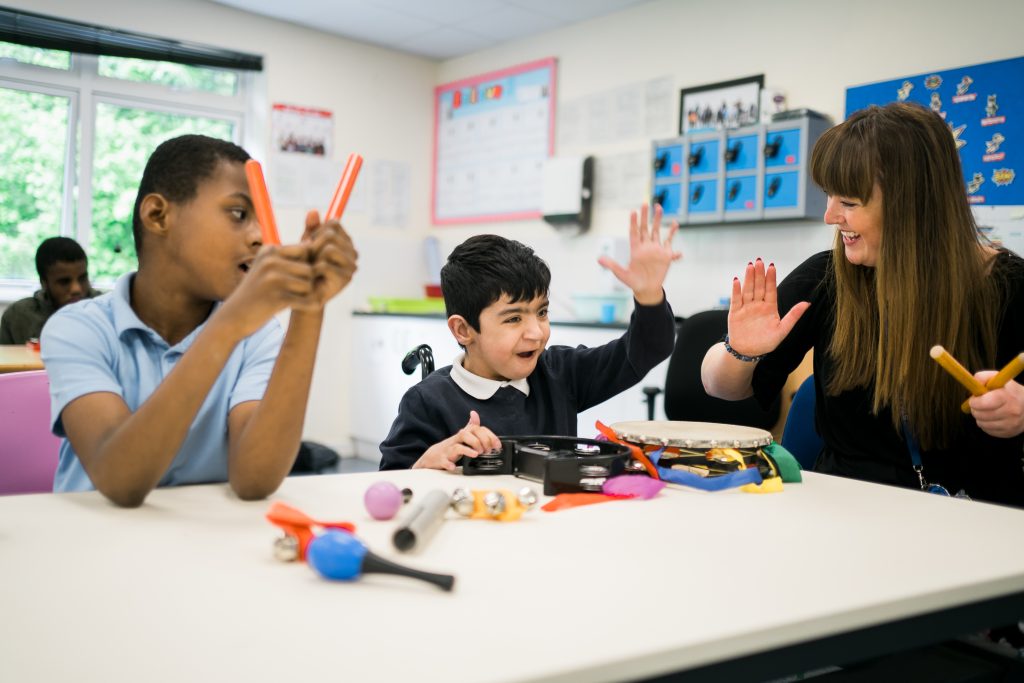
When teachers, TAs and other educators working closely with learners with SEND reflect on the sector challenges, they share a very familiar story.

They are often looking for more holistic and more human ways of working: a shared framework and a practical tool to connect everything together, which is what Evidence for Learning offers.

“We also have lots of new staff, but as with many schools with LSAs, our turnover of LSAs is quite high. We also have staff who are coming in quite fresh to working with children with SEND, so it's upskilling them in lots of different ways. I think the other thing is assessing how pupils were making progress, because actually, if you're looking at all these different strands of things, it can be quite tricky if it's not all together kind of in one format.”

Nicole Oliver
Learning & Achievement Leader (EYFS), Belmont School

Benefits

The Evidence for Learning app is a place where everything ‘comes together’ and starts to make sense. Where the whole team feels aligned around each child and, for practitioners, that alignment is essential for those small, everyday moments:

  • An LSA using the EfL app to see exactly what a child is working on before a session.
  • A mainstream teacher seeing what happened in an intervention.
  • A speech and language therapist recording their input so the class team can build on it.
  • A parent uploading a video from the weekend that changes what you plan on a Monday morning.


Here are some of the benefits educators tell us matter the most:

Impact

Once EfL is embedded into their practice, educators notice the most that as well as providing an improved way to gather evidence; there is an improved understanding. This enables staff to become more reflective as practitioners.

All of this supports the direction of travel that mainstream schools are supporting more and more children with more complex needs. Inclusion sits with leadership and using EfL can support a shared understanding of this responsibility throughout the school by;
  • Changing mindset and culture – a shift from “proving” to understanding, helping staff feel more confident and more connected to each learner’s journey.
  • Inclusion and engagement – staff having an informed understanding which leads to better planning which in turn has contributed to improved attendance, reduced exclusions and more positive behaviour patterns.
  • Reflective practice and shared expertise: Teams watching clips back together, sharing what worked, and learning from each other regardless of years of experience.
  • Stronger review processes – annual reviews, SEND reviews and progress meetings draw on rich, consistent evidence, making targets clearer and next steps more accurate.
  • Family partnership – families describe feeling more included, more reassured and more able to contribute.
“It is more holistic, so that we can have the curriculum strands alongside the support plans and the targets that we're working on. And it means that when I am planning, I can be like, "Right, what is the target for this child? How can I incorporate it into the curriculum?" Rather than setting aside time to do it, because that's always quite tricky and not always that engaging for the child. But, if you're doing it kind of through the play that we've got planned and through the curriculum, it's quite easy.”
Josie Spencer-Pell
Learning & Achievement Leader (Pathways), Belmont School
Top Tips

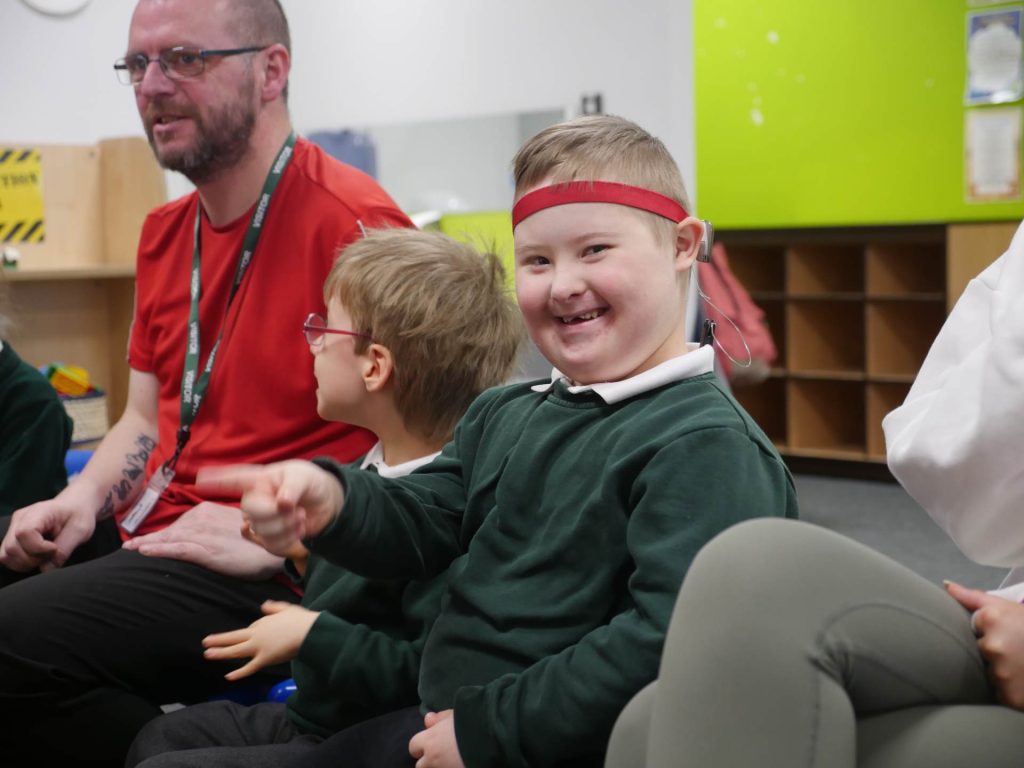
Teachers, TAs, SENDCos and other education professionals from across our community share a similar message:

Here are some recommendations from our community:


"Bring it right back to the child. SEND doesn’t need to be over-complicated; as long as you put your children at the heart, and empower your team to have professional discussions and empower an enquiry approach. Give time and space to your staff to talk to each other, have those conversations and learn from each other through that enquiry."
Cheryl Gaughan
Strategic Lead for SEND and inclusion, JMAT

Next steps

Once the first phase is working confidently, educators often move towards deeper integration;

1.

Bringing families fully into the conversation

Moving from staff-only use to a genuine two-way space, where parents and carers post from home, respond to what they see at school, and shape planning around their child’s interests and strengths.

2.

Using EfL to drive the annual review process

Pulling evidence into reviews, capturing the child’s voice through clips even when they can’t speak for themselves in the moment, and exploring how far EfL can carry the review process itself, including sharing with the local authority.

3.

Reflective practice as a team habit

Building EfL into staff meetings, intervention debriefs and multi-agency conversations so that watching clips back together becomes how the team plans, coaches and develops.

4.

Following the child across every setting

  • Using EfL to keep the thread of learning intact as children move between mainstream, Integrated Resource, interventions, home and educational visits, so no small step of progress goes uncaptured.

The more EfL becomes part of everyday reflection and practice, the more it strengthens a school’s culture of understanding, inclusion and child-centred planning.

Join a free session to meet the EfL team and connect with other schools starting their EfL journey.

Demo / Webinar Request Form

Please complete the form below to request a demo.

Fields marked with an * are required