How does St Giles School know pupils are making progress that matters?
Progress isn’t measured just through lessons or targets. It’s seen in what children can do in their day-to-day lives, how they communicate, build relationships, develop independence and feel secure, in school, at home and beyond.
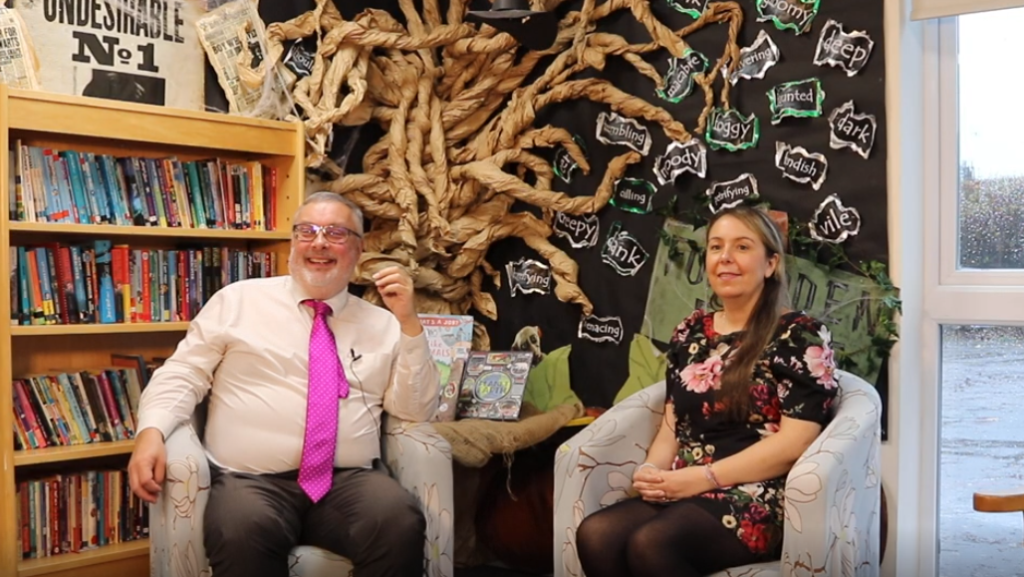
In a recent conversation, Matt Rooney and Sarah Taylor talked about how they’ve built a curriculum and culture that is ambitious and personal to each child. They explained how learning is designed to support pupils to succeed now, whilst also making positive steps to sustainable long term outcomes. Co production is more than a buzzword at St Giles – families and what’s important to them is s golden thread across everything they do.
Six cohorts, one shared purpose
St Giles School supports approximately 250 pupils across six learner cohorts. Each cohort is designed to meet pupils where they are in their development, while keeping expectations high for progress, independence and confidence.
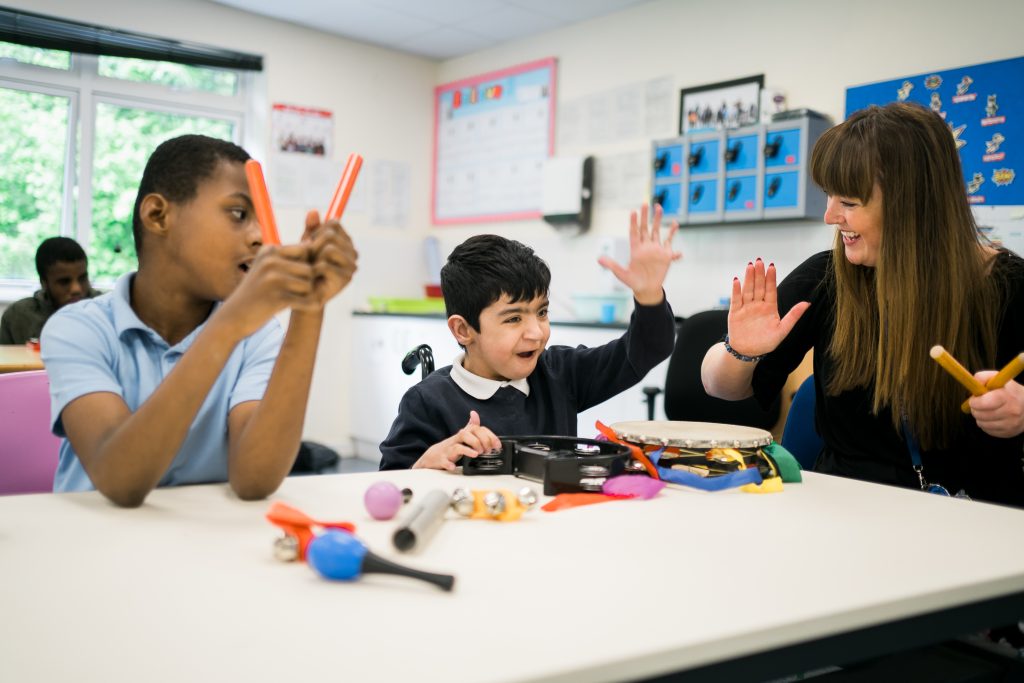
Matt explained, “The cohort model helps staff shape learning in a way that feels purposeful and consistent, rather than trying to make one approach fit everyone. The names of the cohorts matter too. They are used to describe how pupils learn, not to limit what they can achieve.”
- Discoverers: Pupils at the earliest stages of development.
- Investigators: Pre-formal learners who are building attention and engagement.
- Explorers: Pupils developing structure, communication and independence.
- Adventurers: Semi-formal learners, with learning shaped around individual interests.
There are also further cohorts supporting pupils working at EYFS level and those who need less adaptation when accessing National Curriculum subjects. Although each cohort works in a different way, the aspiration and high expectations remain the same:
Every pupil deserves learning that is engaging, ambitious and meaningful to their life.
Moving beyond a deficit narrative
Throughout the conversation, there was a clear focus on moving away from the idea that pupils with SEND are defined by what they can’t do.
It’s refreshing to hear staff talk about pupils in positive, open ways. “Rather than being reduced to terms like ‘pre-formal’ or ‘semi-formal,’ pupils are described in ways that reflect curiosity, strengths and what they might be capable of next. This isn’t just about language. It affects how pupils are seen, what staff expect, and how progress is understood.”
“It also gives staff the confidence to focus on what really matters”, as Matt explained, “school is not about narrowing learning down to fit a system. It’s about helping pupils build confidence, independence and a sense of belonging, through learning that reflects their real lives.”
Learning that works in real life
At St Giles School, the curriculum is built around everyday life, where its staff are clear that basic knowledge matters, but it only really counts if pupils can use this knowledge in real situations.
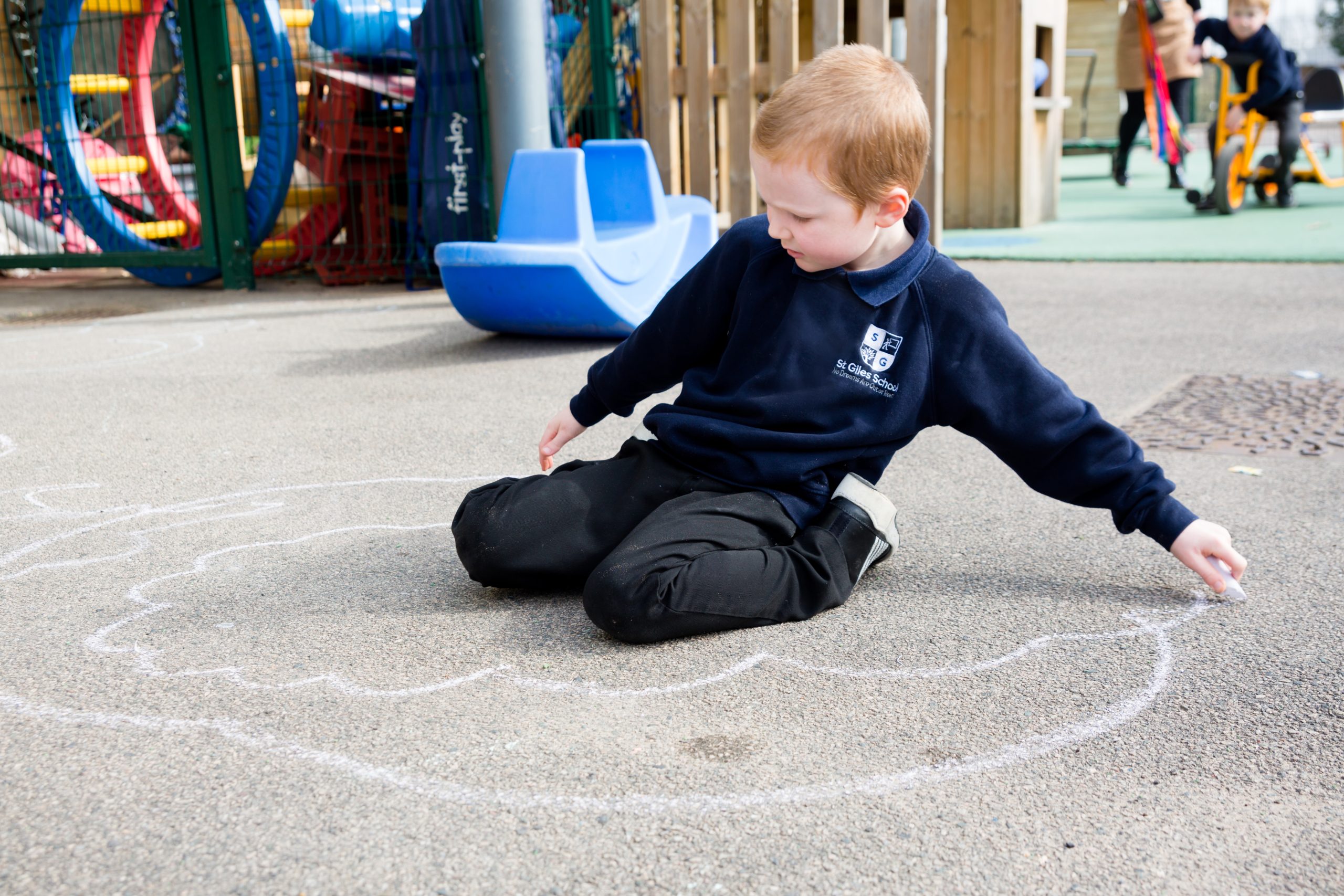
This might mean learning how to order a drink, travelling safely on public transport, crossing a road or developing the physical skills needed to sit comfortably, hold food or use ticket barriers on the London Underground.
To someone looking at this from an outside perspective, these moments might seem small, but for pupils and families, they can be life-changing. This means they should be recognised as real progress.
Matt summed this up simply: “The staff work to prepare pupils for life beyond St Giles School, and also to prepare the world beyond the school for its pupils. That means building strong links with the community, so pupils are visible, involved and welcomed, not hidden away.”
Belonging beyond the school gates
Being part of the community is built into how pupils learn and how families are supported.
The school achieves this by offering a wide range of experiences, including:
- A coffee shop in the local town centre.
- Partnerships with museums and volunteering opportunities.
- Access to enrichment programmes, such as the Duke of Edinburgh.
- A shared campus with a mainstream secondary school, supporting everyday interaction.
- Trips further afield, including London and theatre visits.
Matt explained that these experiences help pupils practise the skills they need for adult life. They also help change how SEND is seen locally. When pupils are out in the community, taking part like everyone else, attitudes begin to shift.
This visibility and presence in the local community and beyond plays a big part in preparing pupils for real life and also shaping perspectives on inclusion for the wider public.
Why St Giles School chose Evidence for Learning
“Like many settings, they started with tracking systems that reduced progress to numbers on a spreadsheet,” Sarah explained, “These didn’t capture the context, the story, or the human side of learning. They wanted a way to show progress that reflected who their pupils really are.”
Evidence for Learning helps St Giles School to:
- Capture learning through photos, videos and short written reflections.
- Show progress across subjects and wider outcomes.
- Link learning to personal goals and real-life experiences.
- Share progress clearly with parents, carers and the rest of the team
- Develop the workforce and create a culture of Inquiry
The staff at St Giles School understand that using the Evidence for Learning app is more than a tracking tool, because it enables everyone involved with each learner with SEND to clearly recognise their progress.
Personal Learning Goals and EHCP outcomes
Every pupil has Personal Learning Goals linked to their EHCP outcomes. Sarah explained that what matters is tracking progress as it happens, not just reviewing it once a year.
Our staff can notice and celebrate small but important steps from one point to the next. It also supports a broader view of progress, including communication and choice-making, independence and self-care, attention and engagement, enrichment and lived experiences, and curriculum learning across subjects.
Progress becomes something that can be seen, shared and built on over time.
Why partnering with families is important
When forming their whole-school focus on learner progress, the conversation kept coming back to families.
Sarah talked about how the Evidence for Learning Family app helps the school and home stay connected. For pupils in residential care, or for families who may feel isolated, this shared view of learning really matters.
St Giles School wants parents and carers to feel:
- Part of their child’s learning journey.
- Able to celebrate what matters.
- Confident about the progress being made.
- Connected to their child’s whole life, not just the school day.
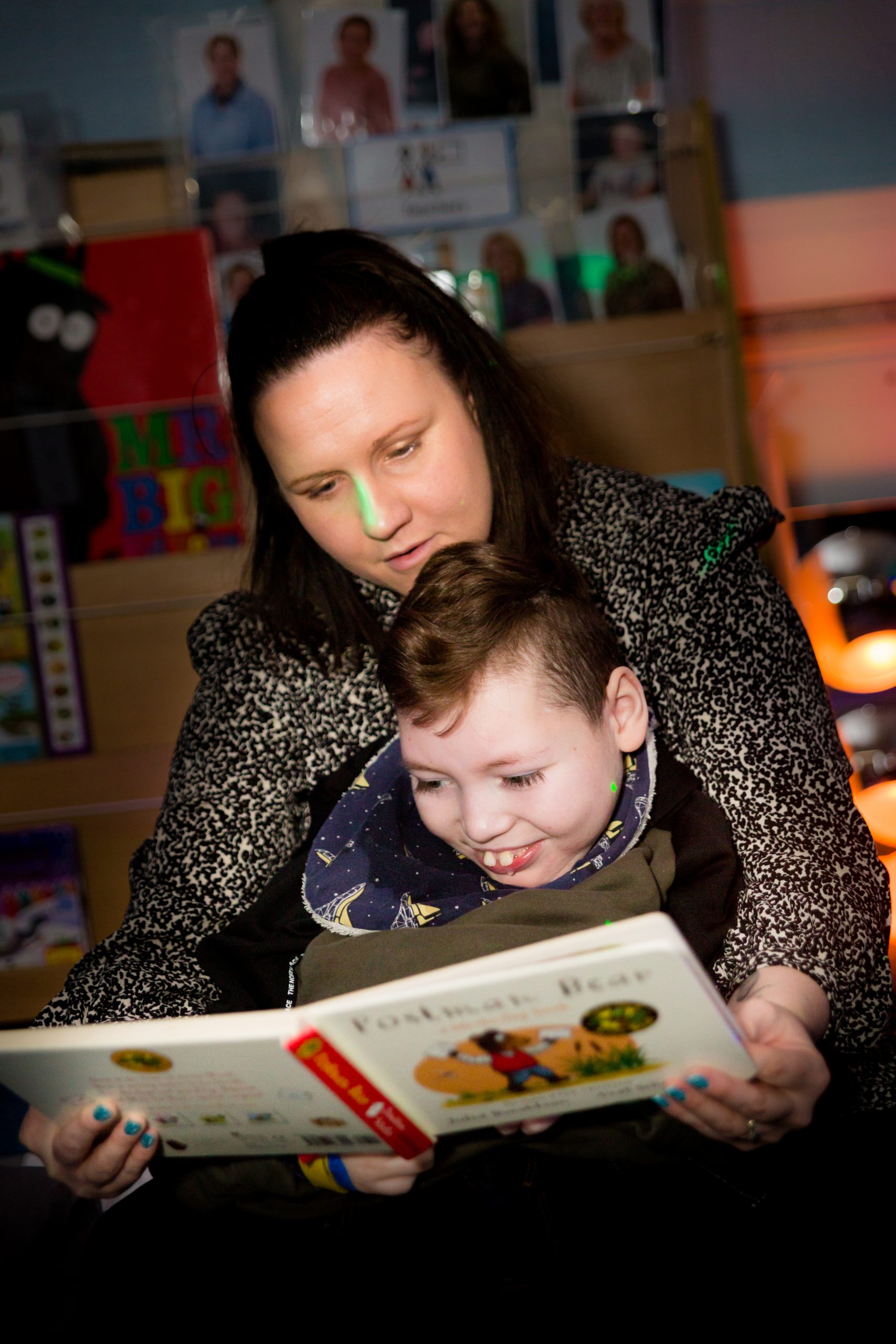
Sarah also spoke about Digital Books, which create a lasting record of a child’s year, which families can return to and reflect on.
Capturing the moments that change lives
One story shared by Matt brought this approach to life.
A parent had a simple wish: Her daughter was going to be a bridesmaid, and she dreamed of seeing her walk down the aisle. Staff gently shaped learning around that moment. Over time, the child made progress, and she was able to walk.
But the impact went beyond the wedding day. It was about independence, choice and being able to move towards something meaningful without always needing help.
Evidence for Learning helped capture that journey, including the family’s role, so it could be recognised as genuine, meaningful progress.
What St Giles School is proud of
The staff universally believe that learners with SEND should be supported to thrive now, not just in the future, and that progress should reflect real life, belonging and independence. They also believe that families should be able to stay involved and share their child’s journey, even when they’re not present to see it.
Voices like Matt’s and Sarah’s are important. They challenge expectations and show that by flipping the deficit narrative and creating aspirational ‘irresistible’ learning opportunities all pupils can thrive and be the very best they can be.
Have a question? Email us at services@theteachercloud.net and we’ll get back to you as soon as we can. Or you can visit: Contact Us – Evidence for Learning
We’re here to help. Thanks.