
Starting your Evidence for Learning journey as a teacher or practitioner
Everything you need to start using EfL in your everyday practice. Built from real experiences of teachers and support staff already using EfL in the classroom.
Join the next live onboarding webinar
This will be an opportunity to meet with the EfL Team and potentially other schools who are just starting their journey with Evidence for Learning.
From capturing moments to understanding learning
This is how teachers and practitioners are using EfL to build understanding and support progress in their setting.
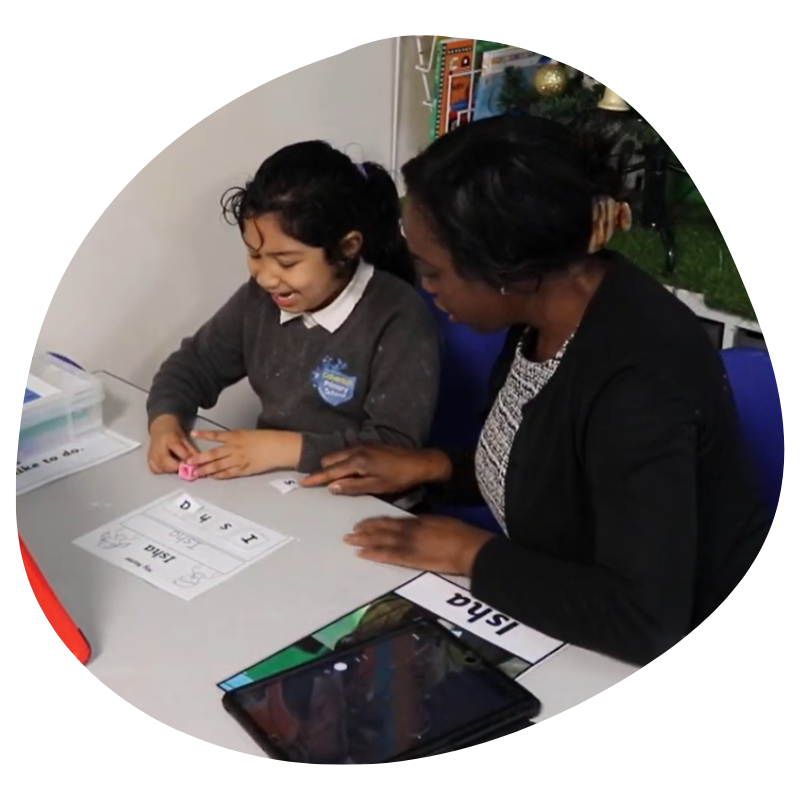
- 1. Getting started
Start small and build confidence.
Most practitioners begin with one class, pathway or intervention group, agreeing what meaningful evidence looks like in their setting.
Focus on capturing small moments of learning that support reflection and strengthen conversations with families.
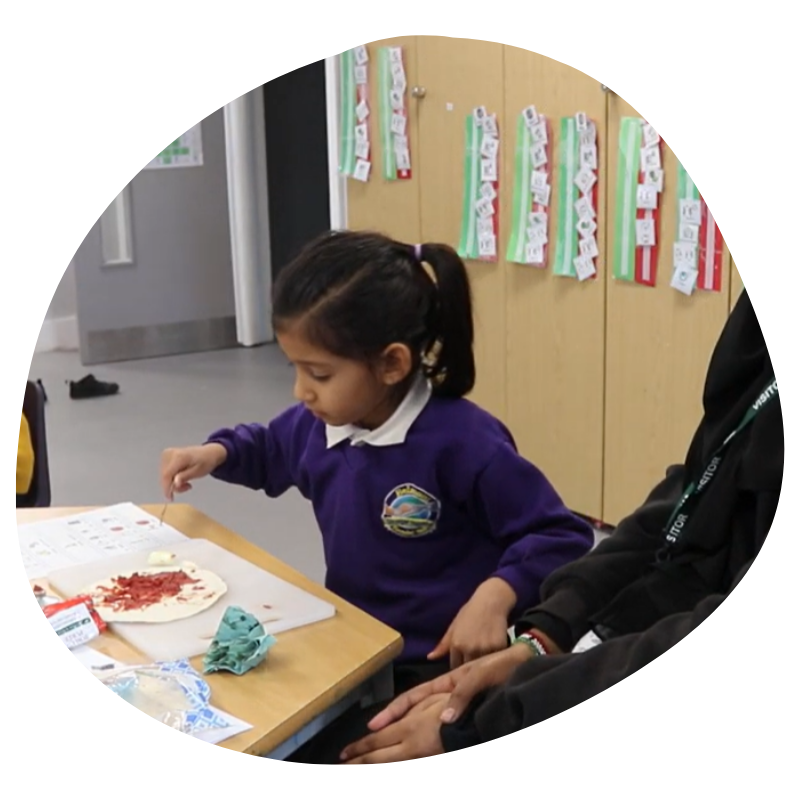
- 4. Impact
As EfL becomes part of practice, the impact grows.
Practitioners report greater confidence in understanding and explaining progress, with evidence supporting planning and next steps.
Learning becomes more visible, meaningful and easier to share.
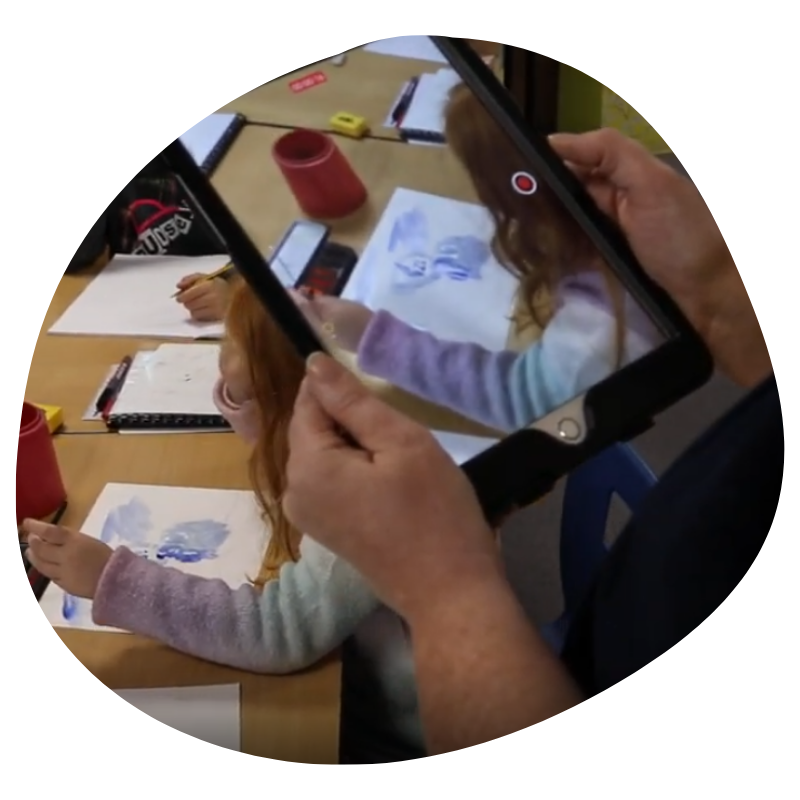
- 2. Challenges
Practitioners are working with increasingly complex needs.
Learning is often non-linear and difficult to capture in traditional ways. Evidence can sit across different places, making it hard to see the full picture.
Staff want clearer, more joined-up ways to understand and show progress.
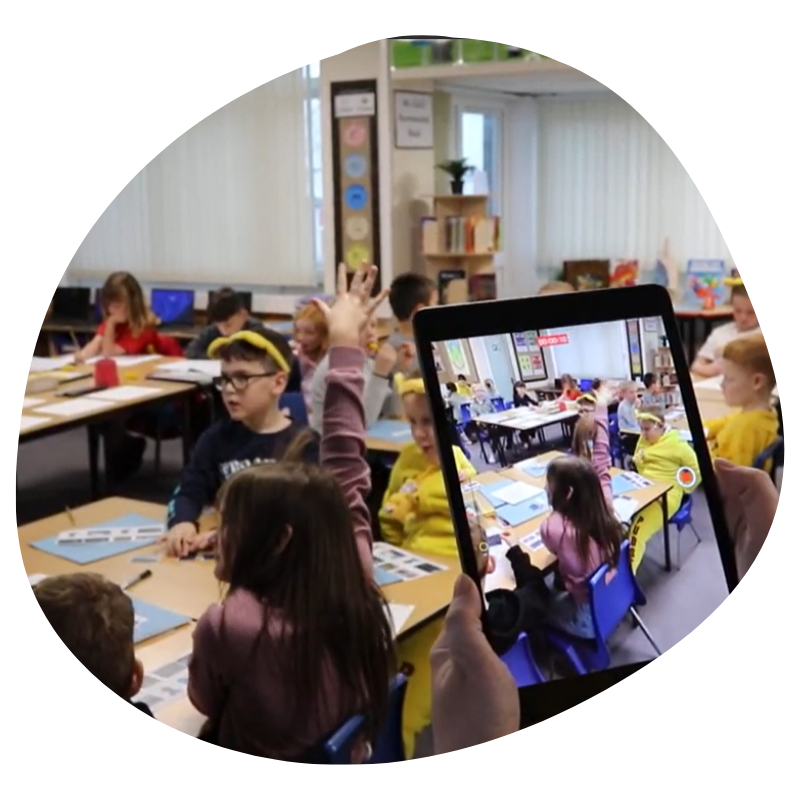
- 5. Top Tips
Keep it simple and purposeful.
Start with a small group, capture meaningful moments, and link evidence clearly to targets.
Use time together to reflect as a team and build shared understanding.
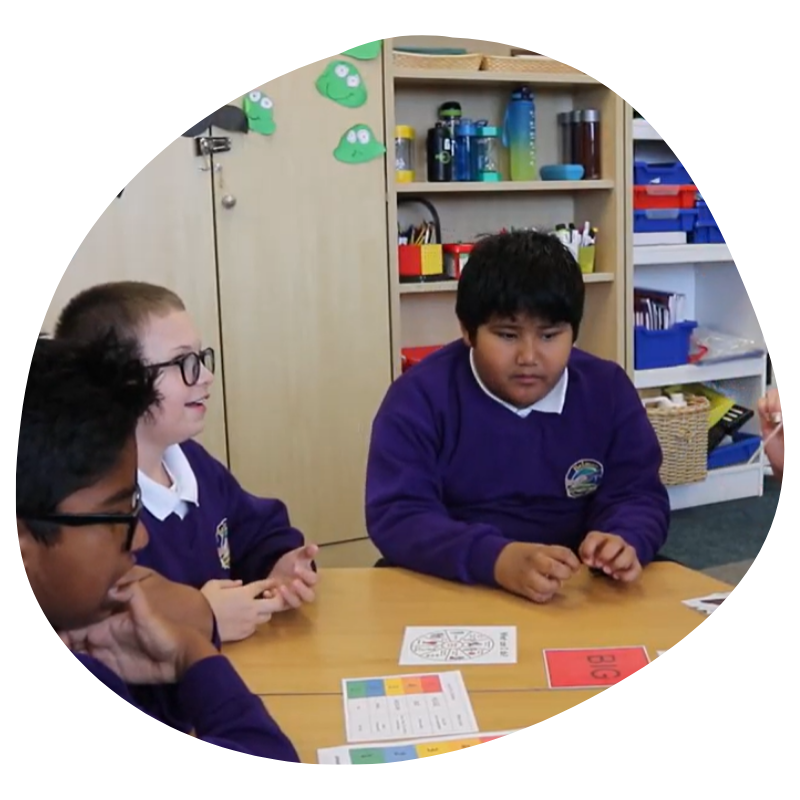
- 3. Benefits
EfL brings clarity to everyday practice.
It helps capture learning beyond written work, linking evidence directly to targets and making small steps of progress visible.
It supports stronger team discussions and helps families feel more connected to learning.
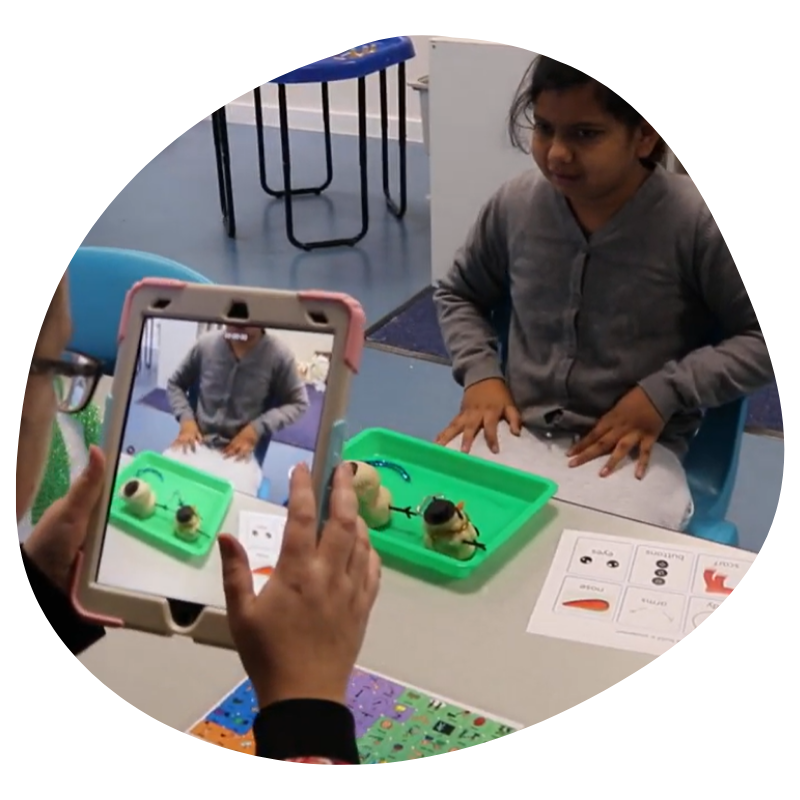
- 6. Next Steps
As confidence grows, EfL becomes part of everyday practice.
Teams begin to use it in reviews, planning and CPD, and extend its use across wider classroom and provision areas.
Over time, it strengthens a culture of reflection, collaboration and understanding.
What our teachers and practitioners are saying
Features:
- Work with customised assessment criteria and individualised targets
- Supports individual learning plans, EHCPs, progression frameworks, and accreditation
- Record small and subtle improvements using photos, videos, audio, notes, and judgements, all linked to targets
- Create Assessment Books with your own assessment schemes or widely-used models like MAPP
- Evaluate learning using areas of engagement and generate rich learning journeys instantly
- Share progress with families and carers through a simple app and secure parent portal
- Gain real-time access to valuable insights for you and your stakeholders, based on comprehensive data and evidence collected through Evidence for Learning
Benefits:
- Create a comprehensive picture of learning, well-being, and progress, demonstrating the impact of your curriculum and support while showcasing learner achievements.
- Assess and track progress using any curriculum framework, including custom and EHCP targets, with automatic links between evidence, outcomes, and judgements.
- Use tools for assessing engagement and gain deeper insights into learner needs and effective pedagogy.
- Save time and stay informed for planning, assessment, and learning discussions, while better engaging parents, families, and carers in their child’s development.
- Support multi-agency collaboration with evidence-informed conversations, fostering a culture of inquiry across the school.
- Generate and share data that reflects actual learning and progress in your setting.