Across Greater Manchester, the demand for specialist educational provision has never been more urgent. At Hollinwood Academy in Oldham – an Outstanding school supporting 300 pupils aged 4 to 19 – and its sister school, Heywood Academy in Rochdale, which opened in September 2025 to provide up to 75 places for learners aged 11 to 19, the focus has always been on creating environments where young people with Autism Spectrum Condition (ASC) and Speech, Language and Communication Needs (SLCN) can thrive. Operating as part of the New Bridge Multi Academy Trust, both schools serve communities facing significant socioeconomic deprivation, rich cultural and linguistic diversity, and a level of specialist need well above the national average. In Oldham alone, 19.3% of pupils have special educational needs and 6.7% hold an Education, Health and Care Plan (EHCP)—totalling roughly 3,655 plans in 2025, nearly half of which are primarily driven by SLCN.
Yet before 2020, Hollinwood Academy faced a familiar challenge in specialist education. While the school offered rich, transformative experiences through Outdoor Education and dedicated Specialist Support Team interventions, it lacked a unified system to capture, quantify, and analyse the holistic progress happening outside traditional academic metrics. Measuring growth in resilience, emotional regulation, communication, and independence required more than anecdotal praise; it needed a robust, structured, neuroinclusive approach.
That realisation sparked a multi-year journey to implement the National Educational Needs (NEN) Progression Framework through Evidence for Learning (EfL). The goal was clear: to establish a standardised, evidence-informed mechanism capable of tracking and celebrating small-step, personalised developmental outcomes aligned with Good Autism Practice (GAP) principles.
Building a Culture of Shared Practice
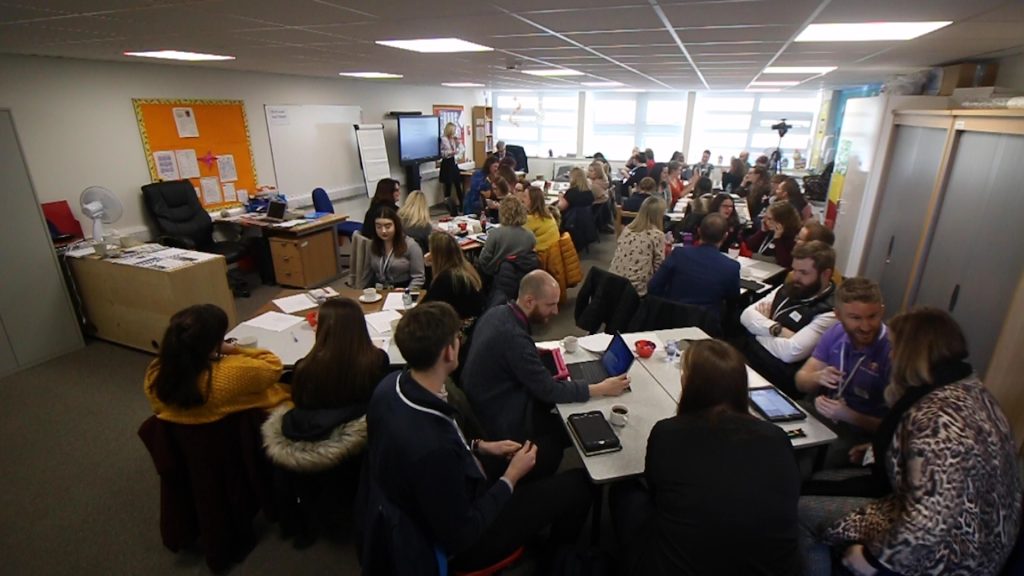
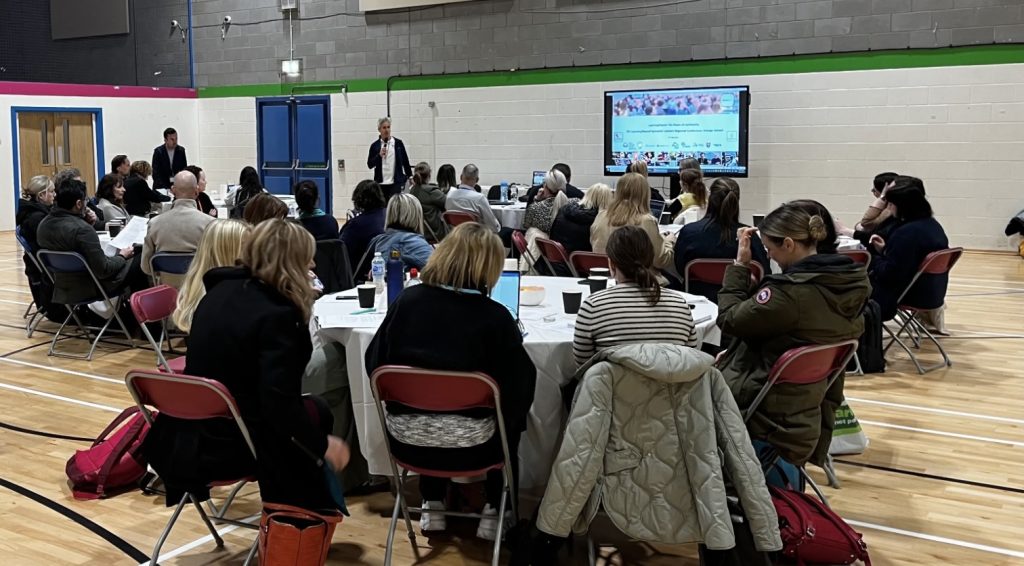
Rolling out a meaningful assessment model across a busy school requires more than just new software—it demands a shared philosophy. To make the framework sustainable, Hollinwood embedded a commitment to high quality, annual staff training. Rather than treating assessment as a box-ticking exercise, professional development centres on Making Sense of Autism, Good Autism Practice, quality evidence collection, NEN alignment, and data analytics using EFL Insights.
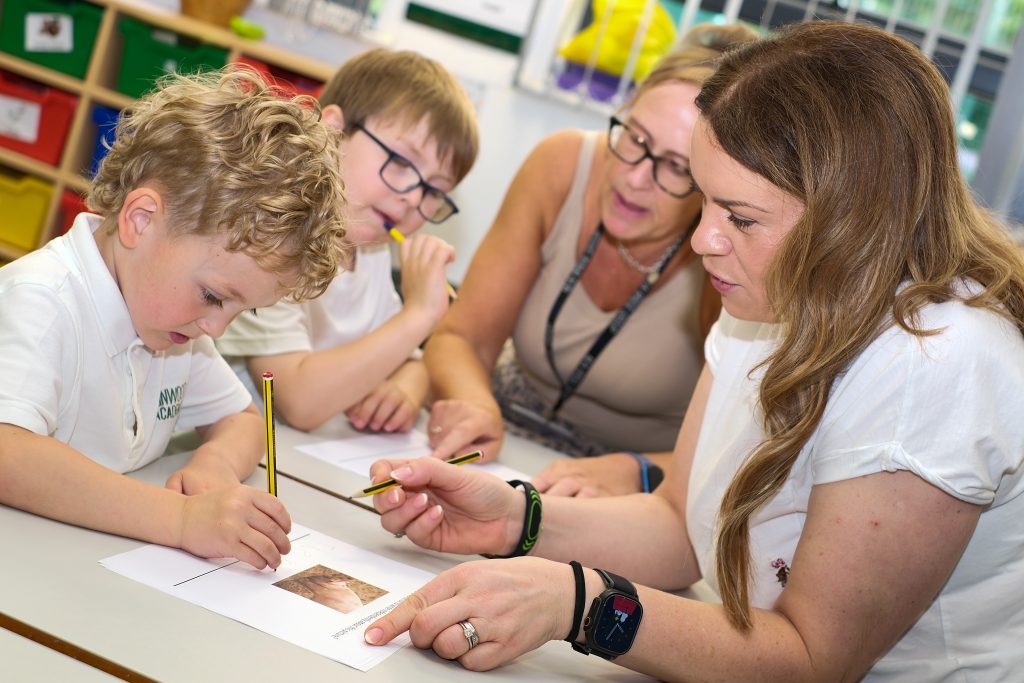
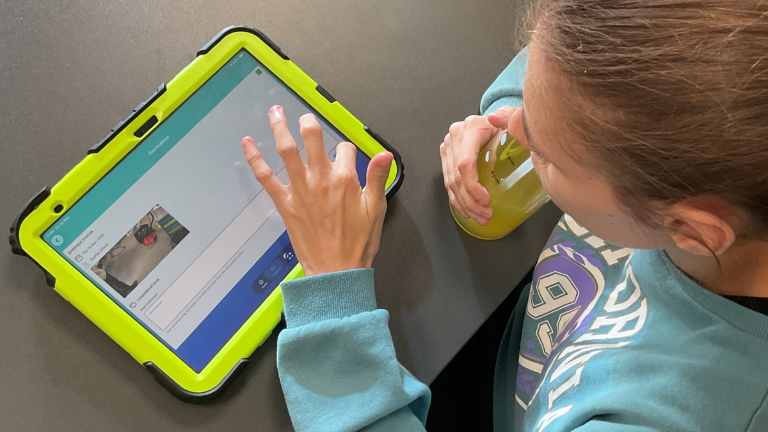
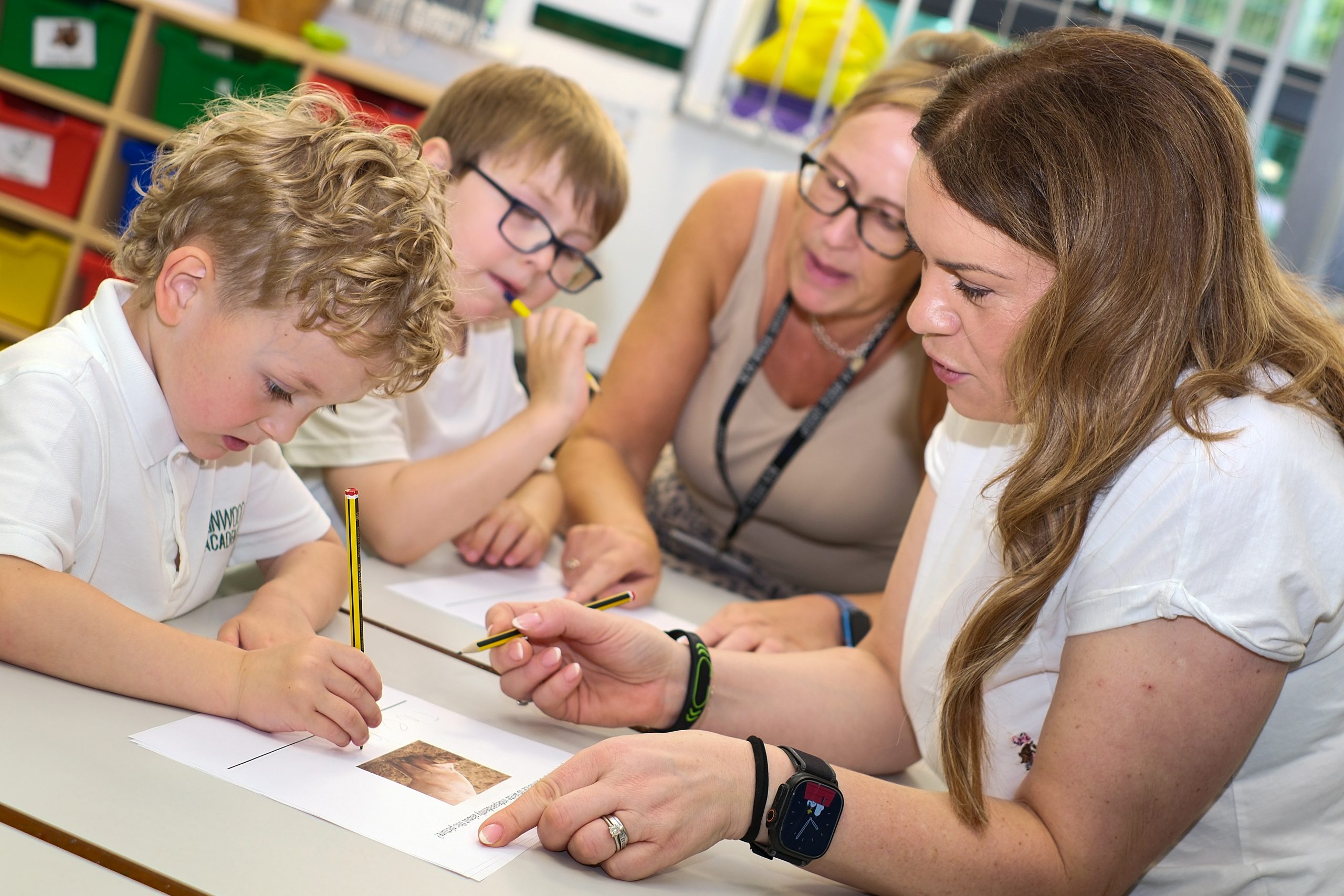
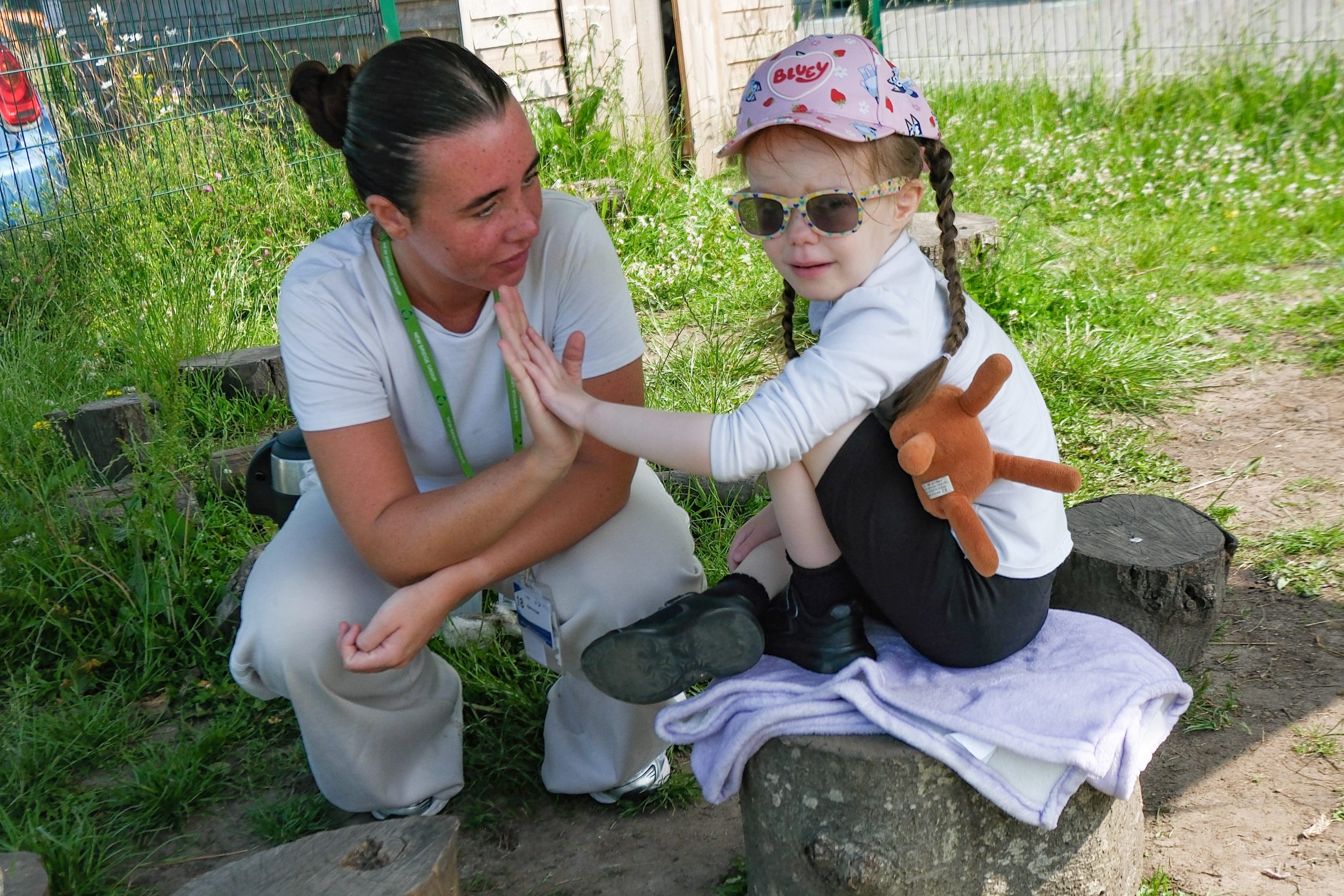
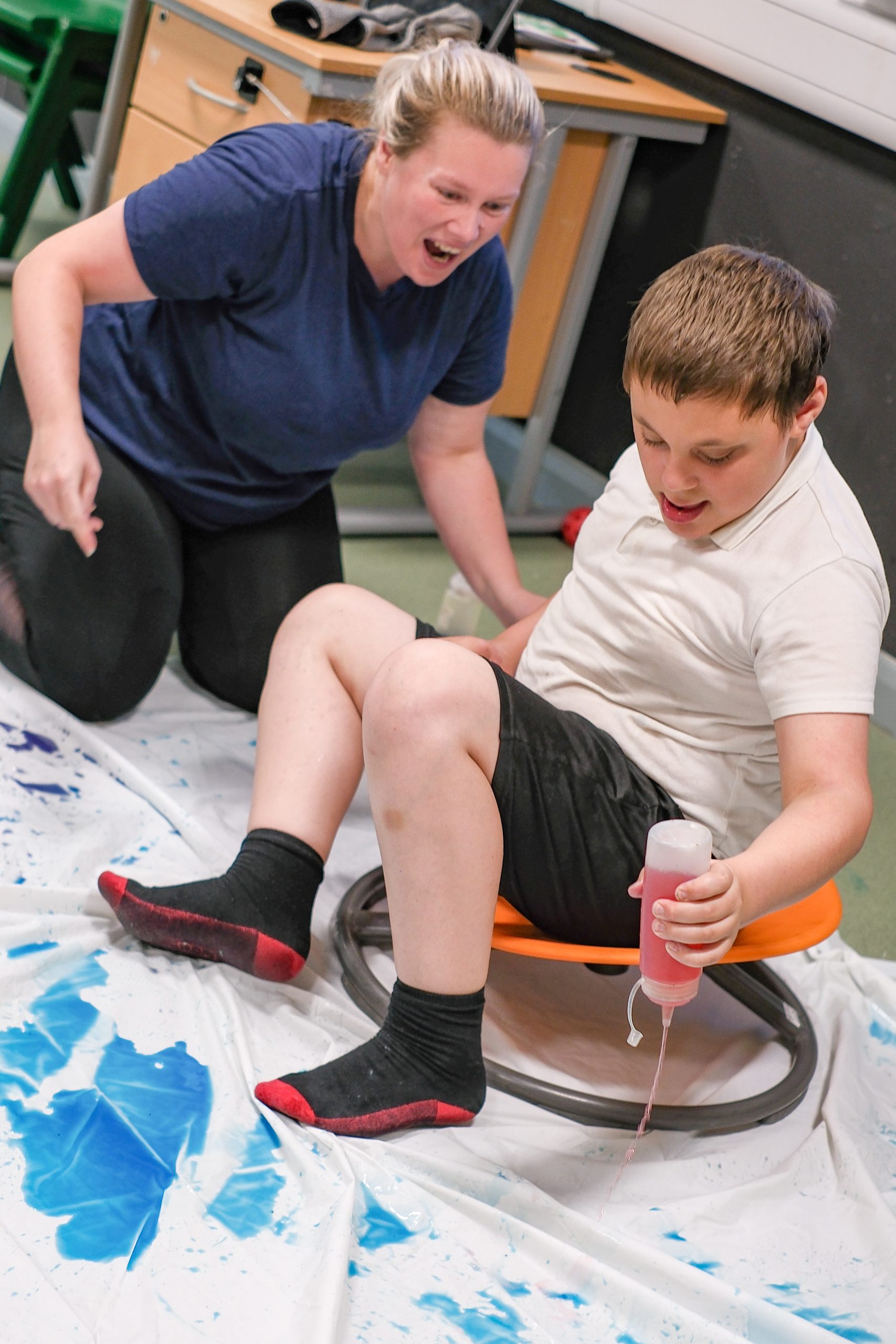
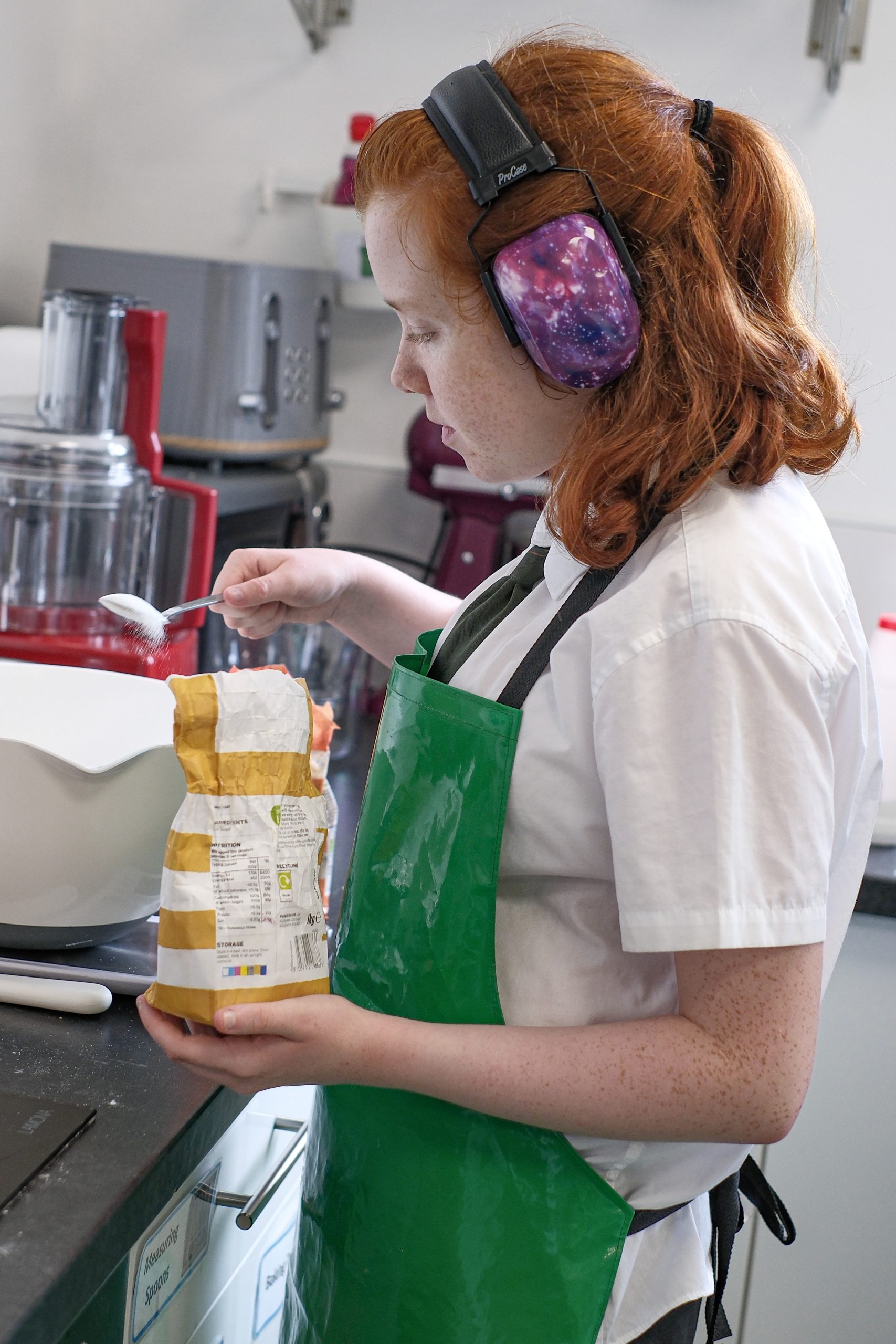
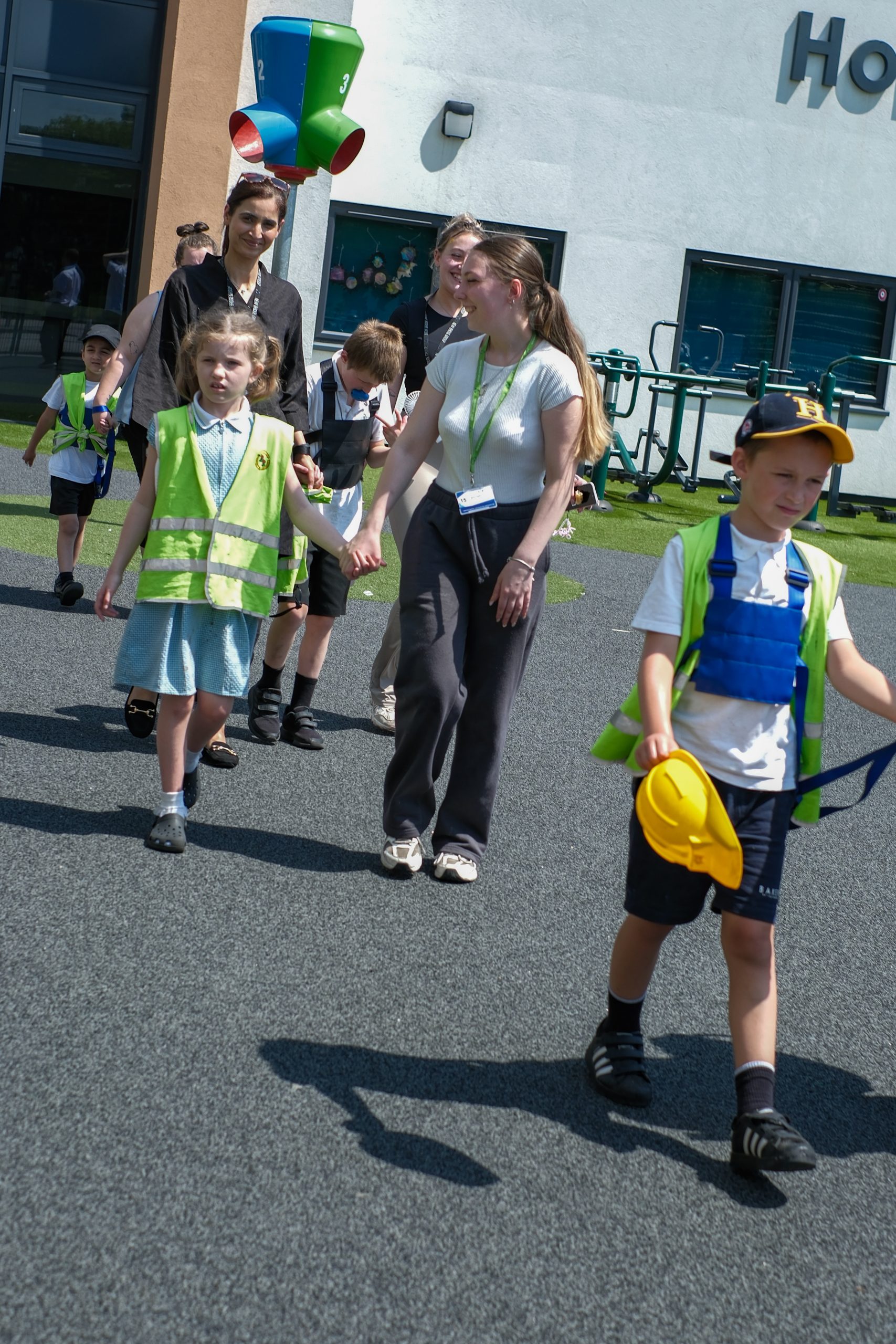
With staff speaking a common language, assessment became deeply personal. Bespoke EHCP step targets are built directly within EfL, linking individual NEN outcomes with each pupil’s own priorities and voice. Using digital assessment books, staff capture progress organically across the entire curriculum—whether a student is navigating a sensory challenge during a Specialist Support Team session, building confidence in Outdoor Education, or working along an individual learning pathway.
A Journey of Growth and Replication
What began as a targeted launch at Hollinwood Academy in 2020 evolved steadily over the next five years into an embedded culture of consistent assessment and longitudinal data collection. By the time Heywood Academy opened its doors in September 2025, the framework was mature enough to serve as a blueprint. Expanding EfL and the NEN framework to Heywood during the 2025–2026 academic year allowed both schools to establish shared cross-trust moderation, ensuring that high-quality SEND provision could be replicated seamlessly across different settings.
Today, the system serves as the backbone of strategic leadership. Using EFL Insights 2.0 dashboards, senior leaders, governors, and Educational Standards Boards review quantitative and qualitative data every term to evaluate which interventions are making the biggest difference and where curriculum planning needs to adapt. Looking ahead into 2026 and 2027, the academies are taking this storytelling a step further by producing EfL Question board case studies to showcase the long-term, qualitative impact of their provision.
Bridging Home and School
Perhaps the most profound impact of embedding EfL has been felt beyond the school gates. For families of autistic learners, understanding how their child’s day went can often be difficult when traditional communication barriers exist. By sharing photos and videos of real-time learning directly through EfL, staff opened a window into the classroom. The response from parents and carers has been extraordinary, generating more than 10,000 comments and contributions that actively celebrate milestones and strengthen home-school collaboration.
Looking Ahead
Reflecting on the journey so far, two lessons stand out: continuous professional development is the non-negotiable foundation for accurate evidence gathering, and inviting families into the digital learning journey transforms parental engagement.
As Hollinwood and Heywood Academies look to the future, the focus turns to deepening this impact even further. Plans are underway to roll out additional NEN modules—specifically targeting Play and Anxiety—while expanding cross-site data analysis through EFL Insights 2.0 and co-designing new outdoor learning pathways directly alongside families. Together, the two academies are proving that when schools measure what truly matters, every small step becomes a visible milestone worth celebrating.
Have a question? Email us at services@theteachercloud.net and we’ll get back to you as soon as we can. Or you can visit: Contact Us – Evidence for Learning
We’re here to help. Thanks.