What does it really mean to prepare young people for life beyond school?
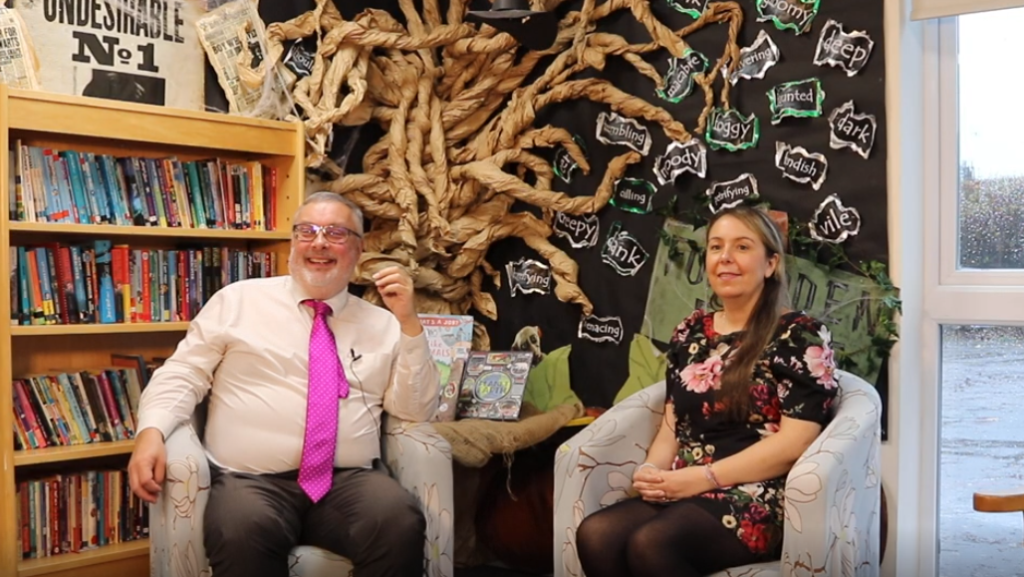
In a recent conversation with Tom Elmes, Associate Head of School at Wilson Stuart School, we discovered why the school made a bold shift in its curriculum; what prompted that change and how it is already shaping better outcomes for their learners with SEND.
The insights that Tom and his team gained centred on a willingness to listen, reflect and act, even when the school already had a strong reputation.
When “good” was no longer good enough
Wilson Stuart School’s curriculum had been praised repeatedly, including strong inspection results and outcomes that looked positive on paper.
But over time, Tom explained that something no longer felt right:
“The needs of the children were changing, and the curriculum was no longer preparing them in the ways that mattered most for adulthood.
Rather than holding on to what had always worked, the school chose to ask themselves harder questions: Are we really giving our learners what they need for life beyond school?
The decision called for bold and courageous leadership. It involved governors, leaders, staff and families, and required everyone to be honest about what was no longer working as well as it should.”
Starting with real outcomes, not paperwork
The staff at the school stepped back and started listening in order to work out what really mattered.
“Parents were clear that while their children were achieving qualifications, they were not always developing the skills they needed for adult life.”
What skills and qualities would help young people thrive as adults? What would help them feel confident, capable and able to advocate for themselves?
From there, the curriculum was rebuilt by working backwards from those outcomes and understanding that there needed to be a focus on what would make a lasting difference, as opposed to simply packing additional content into the curriculum.
Learning about disability as part of a learner with SEND voice
At alumni events, some former pupils explained that although school had felt inclusive, like a safe bubble where nobody questioned disability and everyone was simply accepted, they did not feel confident and equipped to talk about their own disabilities once they left.
For example in job interviews they were asked about their condition; what support they needed; and what they could or couldn’t do, which many felt hard to answer.
Following this conversation, the staff at Wilson Stuart School responded by helping their current learners understand their own needs and learn how to talk about them. They now learn about their disabilities, how these affect them and how to explain what helps them in everyday situations.
“This isn’t about labels. It is about self understanding and being able to advocate for yourself.”
Moving away from certificates that did not change lives
“There were many qualifications, many portfolios, and many hours spent gathering evidence. But when leaders asked, “Why?” the answer was often that certificates looked good.”
Tom spoke candidly about the school’s previous focus on accreditation and whether this focus really changed outcomes. In many cases, it didn’t.
So, Wilson Stuart School reduced the focus on accreditation for its own sake, and redirected time and energy into learning practices that built real knowledge and skills to support their unique learning journeys.
This freed up the team to focus on what mattered most and helped learners with SEND to develop confidence, communication and independence that carried beyond school.
Community based learning
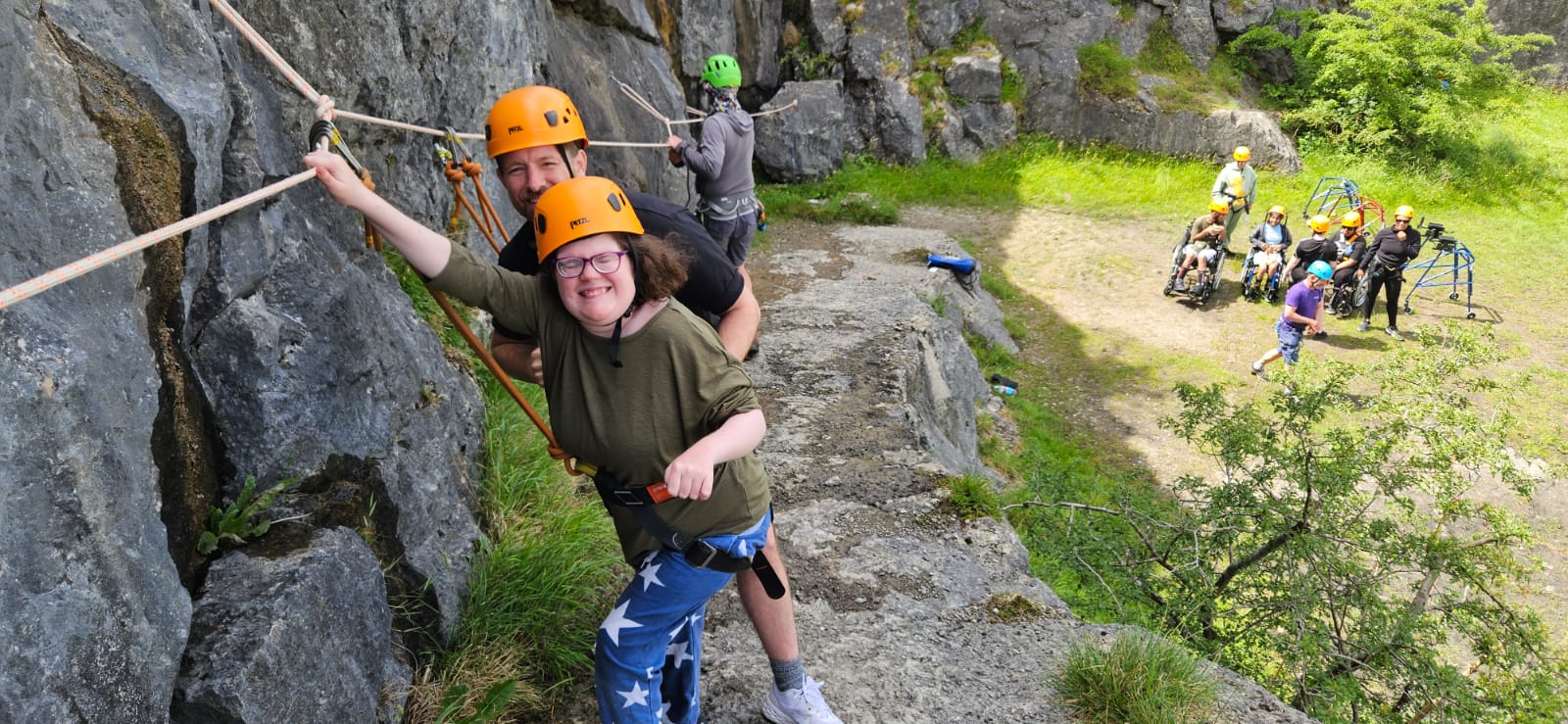
Wilson Stuart School increased learning in the community, particularly at post-16, with students spending time each week working in real settings, such as taking part in project-based learning that builds communication, problem-solving and independence.
Tom described work experience at a local Eco Hub, including a community café and allotment, alongside a wider community space where students can meet others, learn together and take part in activities that build community cohesion.
“These experiences are not staged. They are real, and they ask young people to interact, adapt and take responsibility in ways that feel meaningful.”
Evidence for Learning has allowed the school to capture those work, learning and life experiences outside of school, alongside the opportunities in school. It provides a platform for each learner to develop a rich picture and narrative that helps to demonstrate and articulate their knowledge and skills in ways that might otherwise be difficult to convey or share with someone that doesn’t know the young person..
Working with families to celebrate learning
Tom also spoke about the importance of involving families in the learning journey of their children with SEND.
For many parents, certificates had been a familiar way of seeing progress and removing these meant finding alternative, better ways to show families what learning looked like.
Using Evidence for Learning, the staff at Wilson Stuart School now share photos and videos that capture progress clearly, enabling families to see what their child can do that previously they were unable to, and how their skills have grown over time.
This helped shift conversations away from what was missing, toward what had genuinely changed – a strengths-based approach.
The importance of alumni events
Wilson Stuart School still values its alumni events and views them as essential ‘real-life sense-checks’ so that staff can gauge whether what they are doing is genuinely working and making a difference in the lives of young people at the school.
At first, the feedback wasn’t always easy to hear, as some former students weren’t as prepared for life after school as staff had hoped. This motivated the school to continue listening and to use these insights to learn, reflect and make necessary changes to the curriculum and teaching practices.
Over time, Tom has started to see a significant shift.
Colleges and other settings have fed back that students coming from Wilson Stuart School are better at communicating; more comfortable at speaking up for themselves; and clearer about expressing what they need.
For Wilson Stuart School, that has been a reassuring sign that the changes they made are having a meaningful and lasting impact.
A shared set of values that runs through the whole school
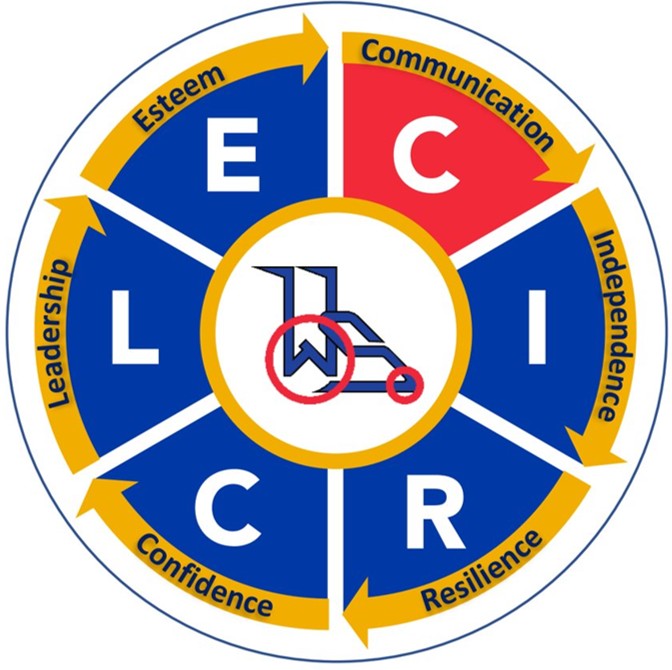
At the heart of the curriculum are the ‘Circle Values’:
- Communication
- Independence
- Resilience
- Confidence
- Leadership
- Self-esteem
These values are embedded from early years to sixth form teaching. They look different for each learner, but they give everyone a shared language for what progress means for them.
Tom explained that these values are also modelled by the whole team, so children can see them lived every day.
“This consistency helps learners understand what success looks like for them, wherever they are on their journey.”
In EfL the 6 values are represented as Tags and staff are asked to add these Tags (where appropriate) to evidence in order to capture and demonstrate each value for each learner across a variety of contexts over time.
Holding ambition for every learner
“Small steps can be easy to overlook, but they matter. Spotting them comes from knowing the child well and working closely with them over time.”
Experience and expertise are important to the staff at Wilson Stuart School, especially for children with more complex needs. The most expert teaching is required to support learning for those pupils who may have small windows of opportunities to learn each day – every second counts!
“High expectations do not disappear just because progress is slow. They simply take a different shape. That way of thinking influences how the school supports every learner, every day.”
Better never ends
Wilson Stuart School’s re-focused teaching practices can be epitomised by a phrase used by all staff members across the school: Better never ends.
Tom was clear this mindset isn’t about pressure or criticism to his team or other educators:
“It’s simply a reminder to keep looking honestly at what’s in place, to keep improving, and to check that the curriculum still works for the children in front of you.”
This whole-school ideology also applies to the bigger picture:
“Schools can do a lot to build skills and confidence, but real change also depends on communities and employers being ready. There is still a level of fear or uncertainty around children and young people with SEND, and part of the work is helping the wider world feel more confident and comfortable, too.”
One moment that captured this was a group of sixth form students presenting their curriculum to others.
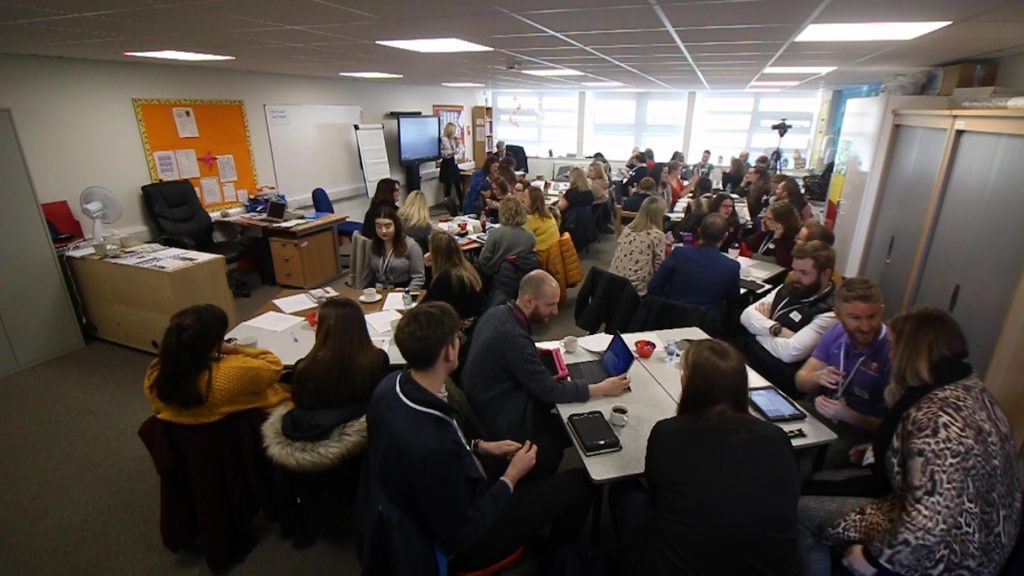
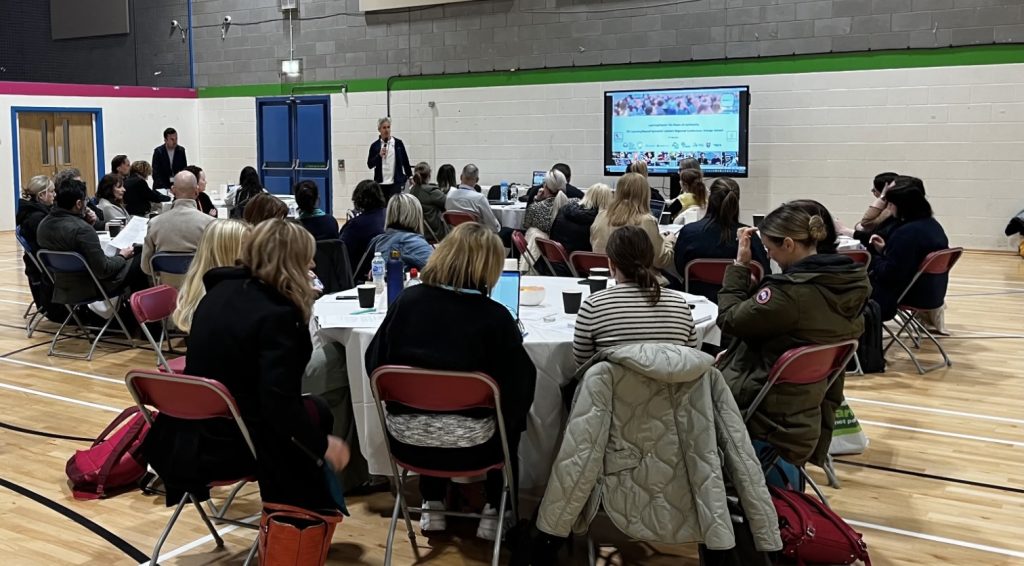
The students previously lacked confidence when communicating with unfamiliar adults. However, at a recent EfL Networking & Development Bootcamp Conference, all 3 students stood up and spoke in front of 70+ professionals they had never met before.
“They completely held the room,” Tom said, “Afterwards, you could see the difference it made to them, their confidence grew, and they were visibly proud of what they had achieved”
Moments such as this are a great indicator that the approach Wilson Stuart is taking to move beyond a narrow, traditional curriculum and to have ‘experts by experience’ and their alumni guide and shape the school offer is most certainly working.
Have a question? Email us at services@theteachercloud.net and we’ll get back to you as soon as we can. Or you can visit: Contact Us – Evidence for Learning
We’re here to help. Thanks.