
What does aspiration look like for learners with SEND? At Hawthorns School, aspiration starts with purpose.
It is not only about what children learn in lessons, but how they generalise and apply their skills in different contexts beyond the classroom.
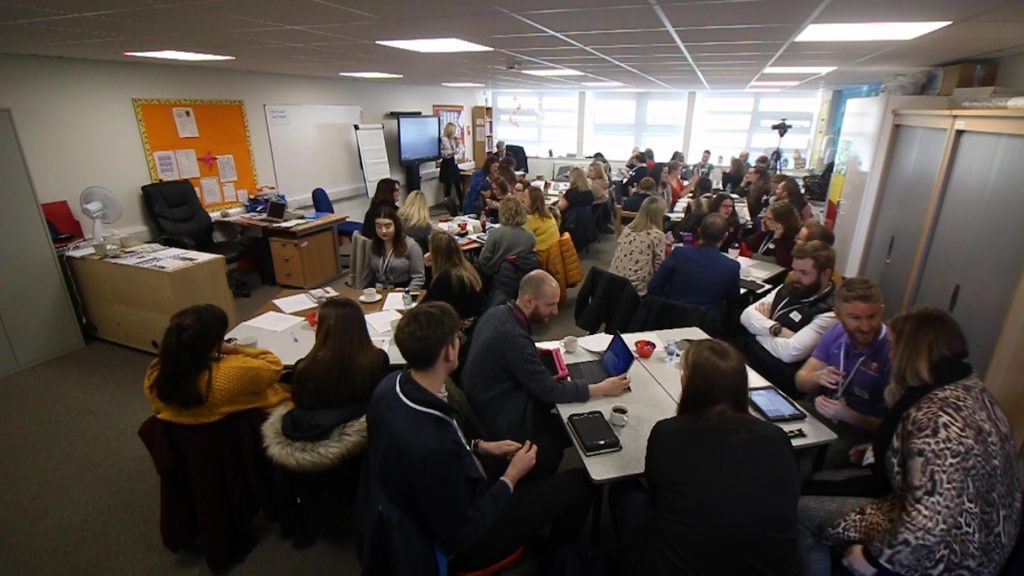
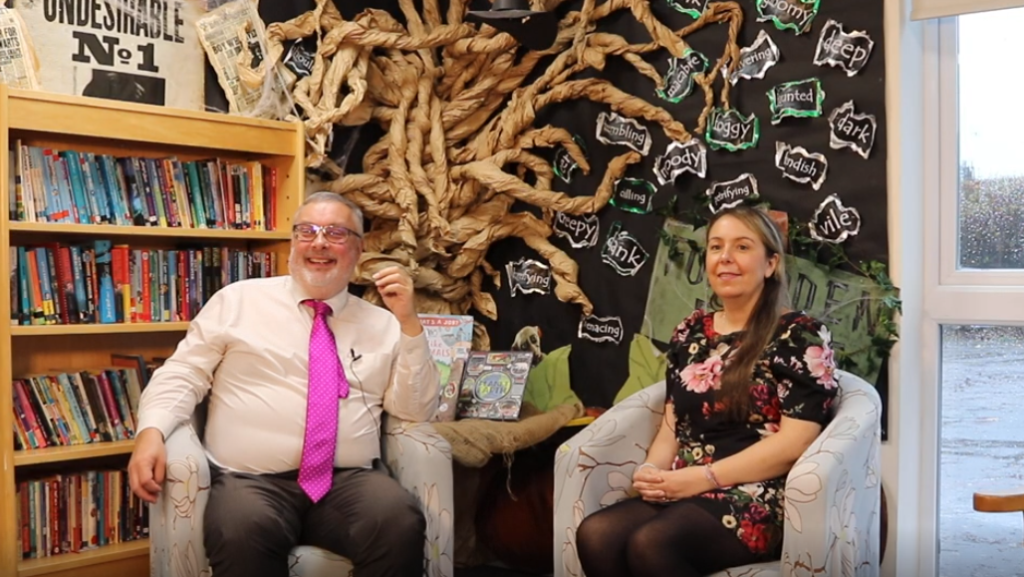
In a recent conversation with Deputy Headteacher Rachel Kay, alongside colleagues Janet Sarno (Deputy Headteacher), Jonathan (Jonno) Curtis (Headteacher) and Alan Brown (Assessment Lead), a clear picture emerged of how Hawthorns School delivers learning that is meaningful, realistic and ambitious for every child.
Two pathways, one shared goal
At Hawthorns School, there are two distinct pathways:
- The Meadows pathway, which supports children with more complex needs.
- The Woodlands pathway, which supports children with a more traditional learning profile, is often described as an ‘MLD pathway.’
While these pathways are distinctively different, the goal is the same:
Every child should be actively actively engaged in learning that feels meaningful and purposeful.
Rachel Kay explained that as the needs of children coming into the school have changed significantly and the school has had to adapt quickly. That process also created space for reflection, enabling the whole team to take their time to look closely at what was already in place, asking whether their curriculum was still the right fit for the children they serve today.
And this time for reflection lead the team to ask one simple, yet essential question:
‘Is our curriculum still right for our children today?’
Moving beyond a ‘deficit narrative’
A clear theme running through the conversation was a move away from focusing on what children couldn’t do. Instead, the team talked about strengths.
What can our children do? What helps them feel successful? What will build their confidence and independence?
The staff at Hawthorns School discovered that when they started with a strengths-based approach, the entire learning experience changed. They found that progress was no longer about filling gaps, but about helping children with SEND build skills, confidence and a positive sense of themselves as learners in their own time.
Curriculum is not just ‘content,’ it is ‘context’
A clarity quickly emerged amongst Rachel and the team:
To deliver a meaningful and impactful curriculum, the focus should not be limited to the ‘what’ is taught, but always include the ‘how’ and ‘where.’
Janet Sarno spoke about authenticity. Learning is not about numbers for numbers’ sake or history for history’s sake. Children need learning that feels real, practical and means something to them.
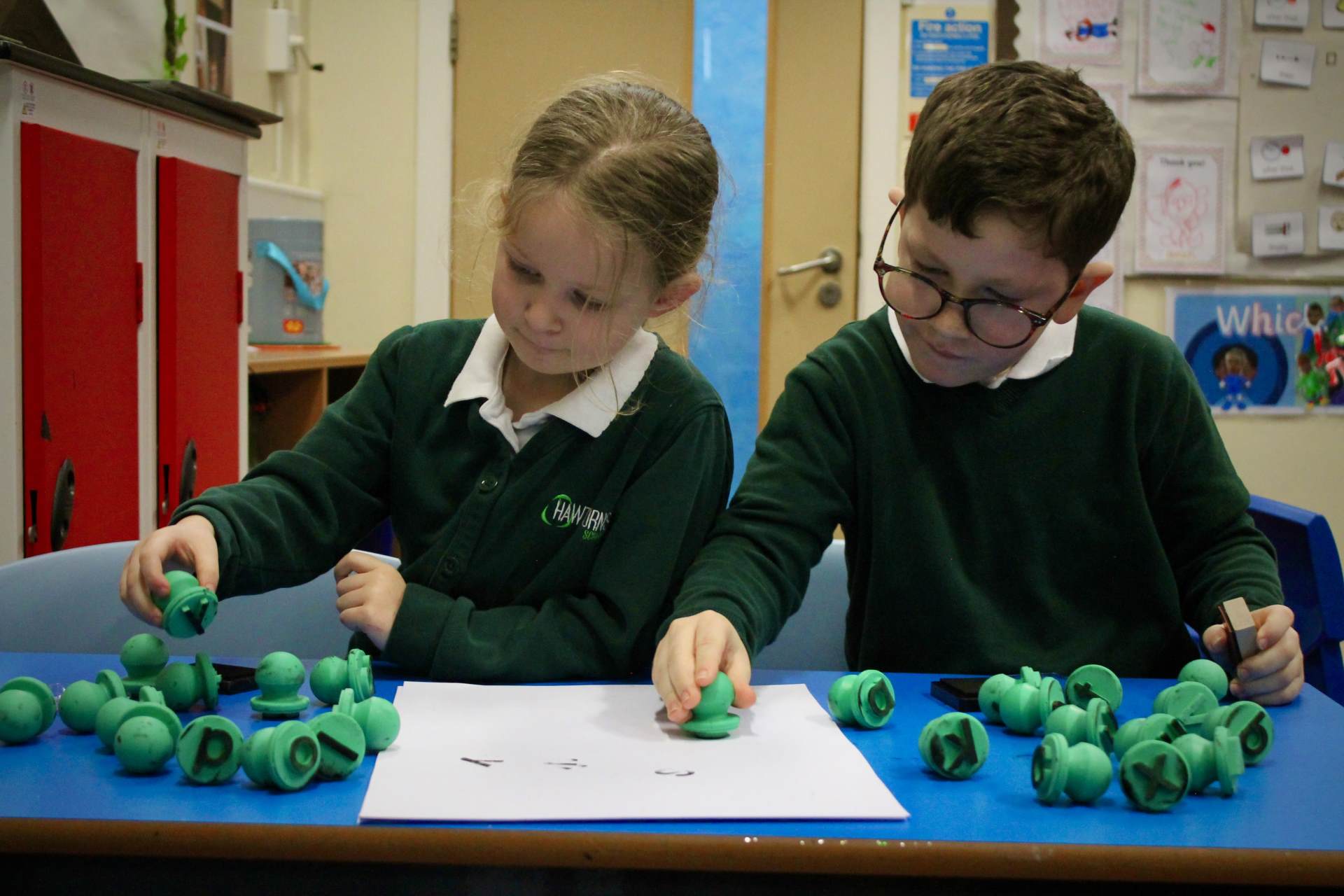
This means fewer worksheet-led tasks and more real experiences that bring learning to life.
Building independence through everyday practice
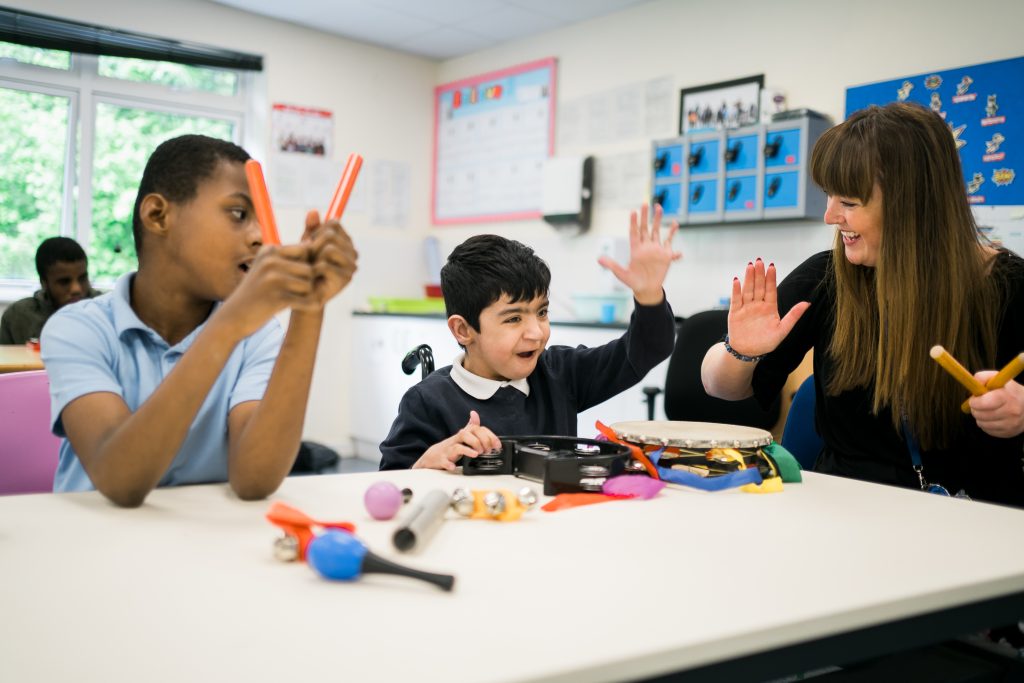
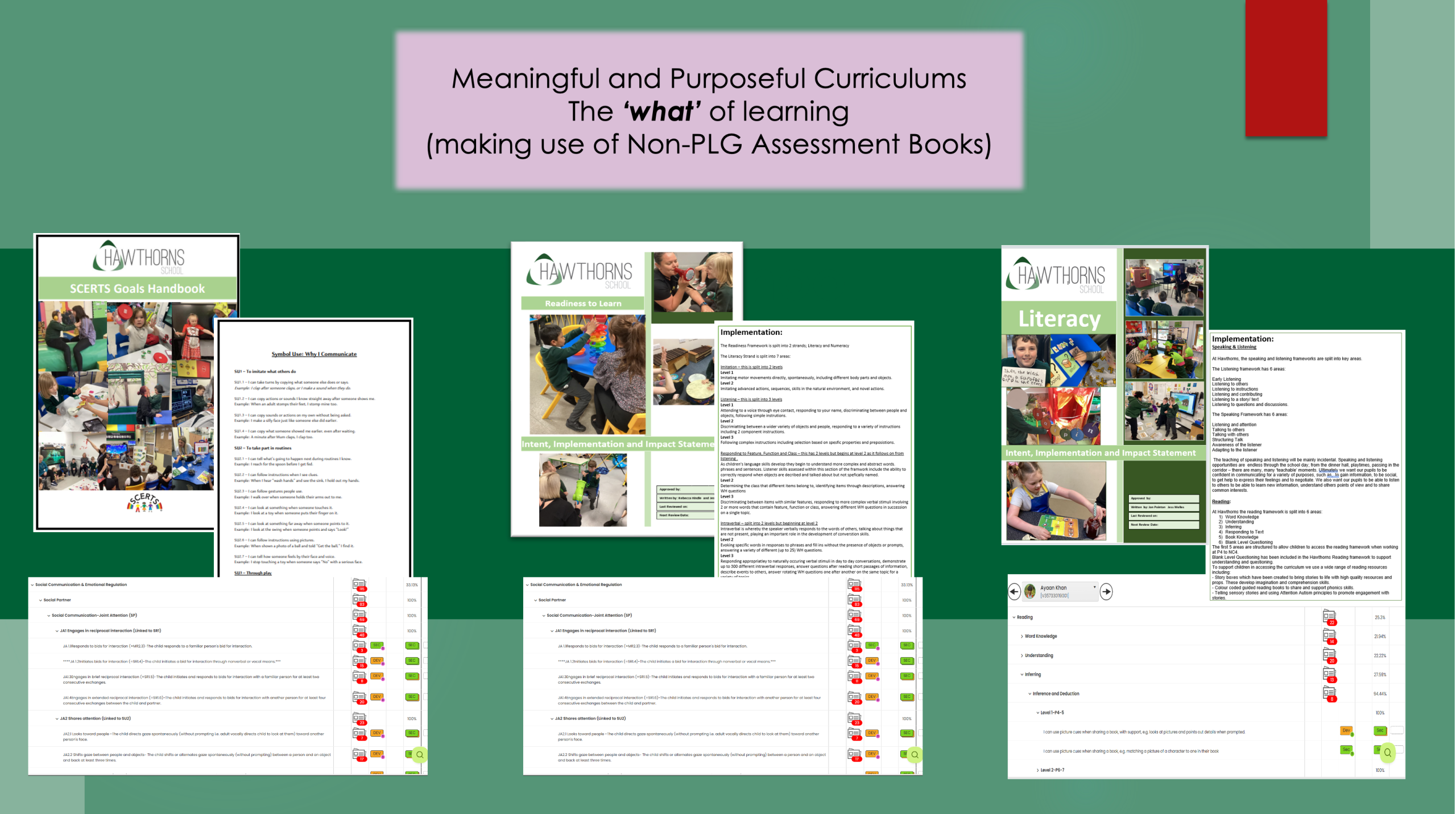
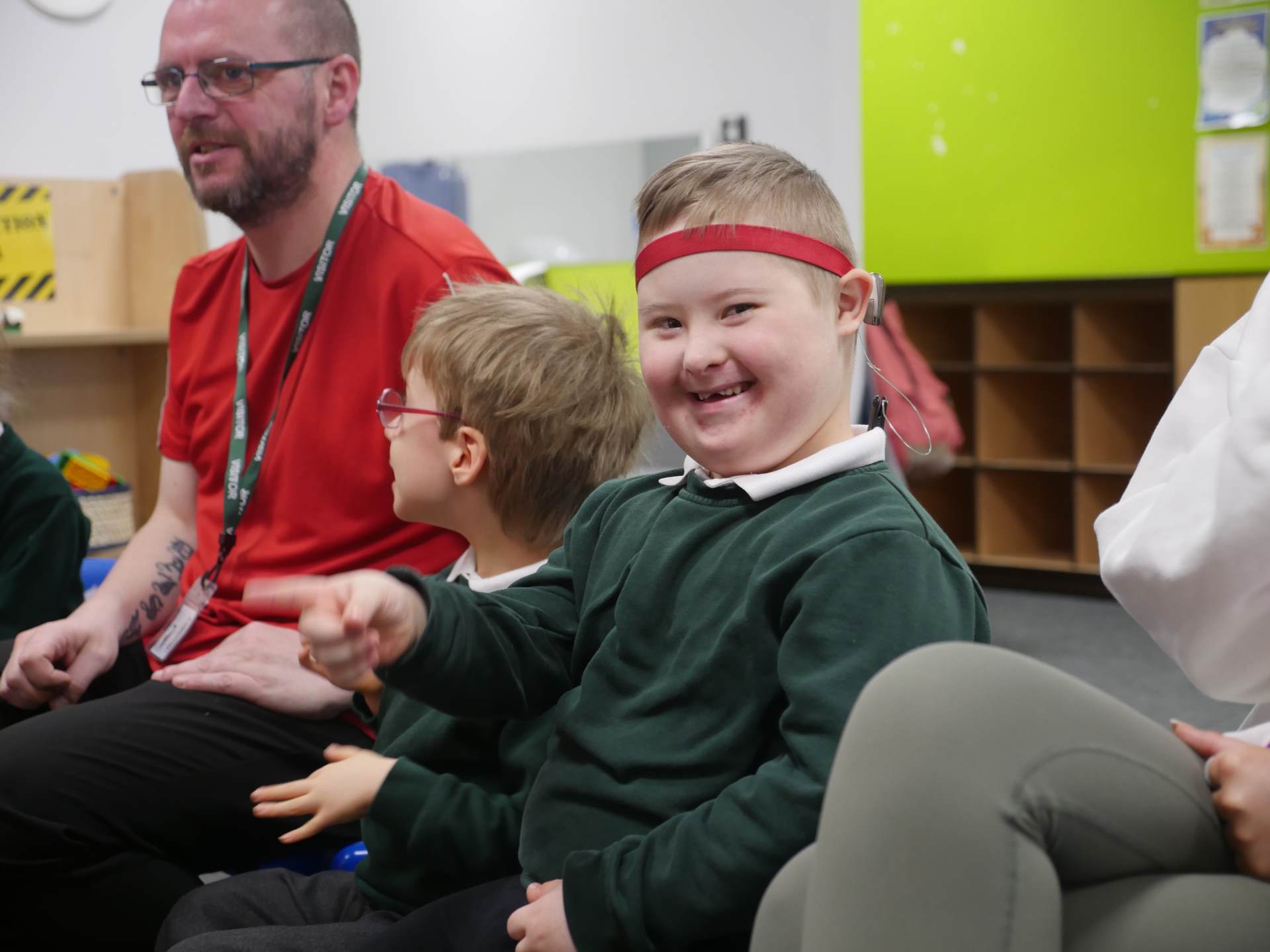
At Hawthorns School, independence and social communication are not taught as separate skills. Jonathan explained that these skills are built into everyday life at school. The team weave opportunities throughout lessons, routines and wider experiences, rather than sitting in discrete slots on the timetable.
This creates a stimulating and engaging learning environment at an important stage when EYFS children are building the foundations they need later on in life.
This includes:
- Getting on and off transport
- Building friendships and social opportunities
- Taking part in community visits and outdoor learning
- Learning in different spaces with different adults
- Building confidence to cope with change and challenge
It is a whole-school approach to help prepare children with SEND for life outside of the school gates, not only in the classroom.
Progress and reflection
“In schools, we would never skip early steps in maths if a child had not secured basic number skills,” Rachel reflected, “But with communication, regulation and understanding the world, it can be tempting to move on simply because a child is getting older.”
At Hawthorns School, the team takes a more considered approach by focusing on building skills in sequence and not rushing past foundations that remain essential for long-term outcomes.
For some children, progress is not always about moving forward in a straight line. It is about deepening skills across different people, places and situations.
Rachel gave examples such as:
- Can a child engage with more than one adult, not just a familiar person?
- Can they use a skill in different spaces, not only in their classroom?
- Can they manage a routine in a new environment, not just one they already know?
These changes can seem small, but they often make a big difference in a learner with SEND’s life.
Enrichment that reaches every learner with SEND
At Hawthorns School, the staff places real value on experiences beyond the classroom instead of as ‘optional extras.’
Every child goes off-site every week to engage in an activity, which can include swimming, trampolining, outdoor education, soft play, community visits or sport. There are also opportunities such as football, cheerleading and boccia competitions. The variety of opportunities for all learners help them to find their passion and what engages and motivates them best.
More importantly, these off-site experiences are not limited to one of the two pathways.
Rachel spoke about children in the Meadows pathway whose physical abilities are a real strength: some can climb, ride bikes or swim confidently. Those strengths are recognised, supported and celebrated, and children are given the chance to succeed and feel proud.
Capturing what really matters
The staff at Hawthorns School spoke openly about how they capture learning and the limitations of written work and traditional assessment methods.. For example, a worksheet might show an answer, but it cannot show how a child learned, what support they needed, or the context that made learning possible.
Using Evidence for Learning, the whole team around the pupil capture learning through photos,videos and observation notes and reflections, making it easier to not just show what progress really looks like and to share that journey with the families of each learner with SEND.; EfL crucially helps us to see, understand and share with colleagues the process of learning for a particular pupil Alan Brown also explained how this has changed practice for the staff team:
“Teachers feel more confident moving away from worksheets as proof and designing richer, more engaging learning, because they can still capture evidence in a clear and meaningful way.”
Working in partnership with families and genuine co production
A crucial part of how Hawthorns School supports each child with SEND’s learning journey is working closely with their families.
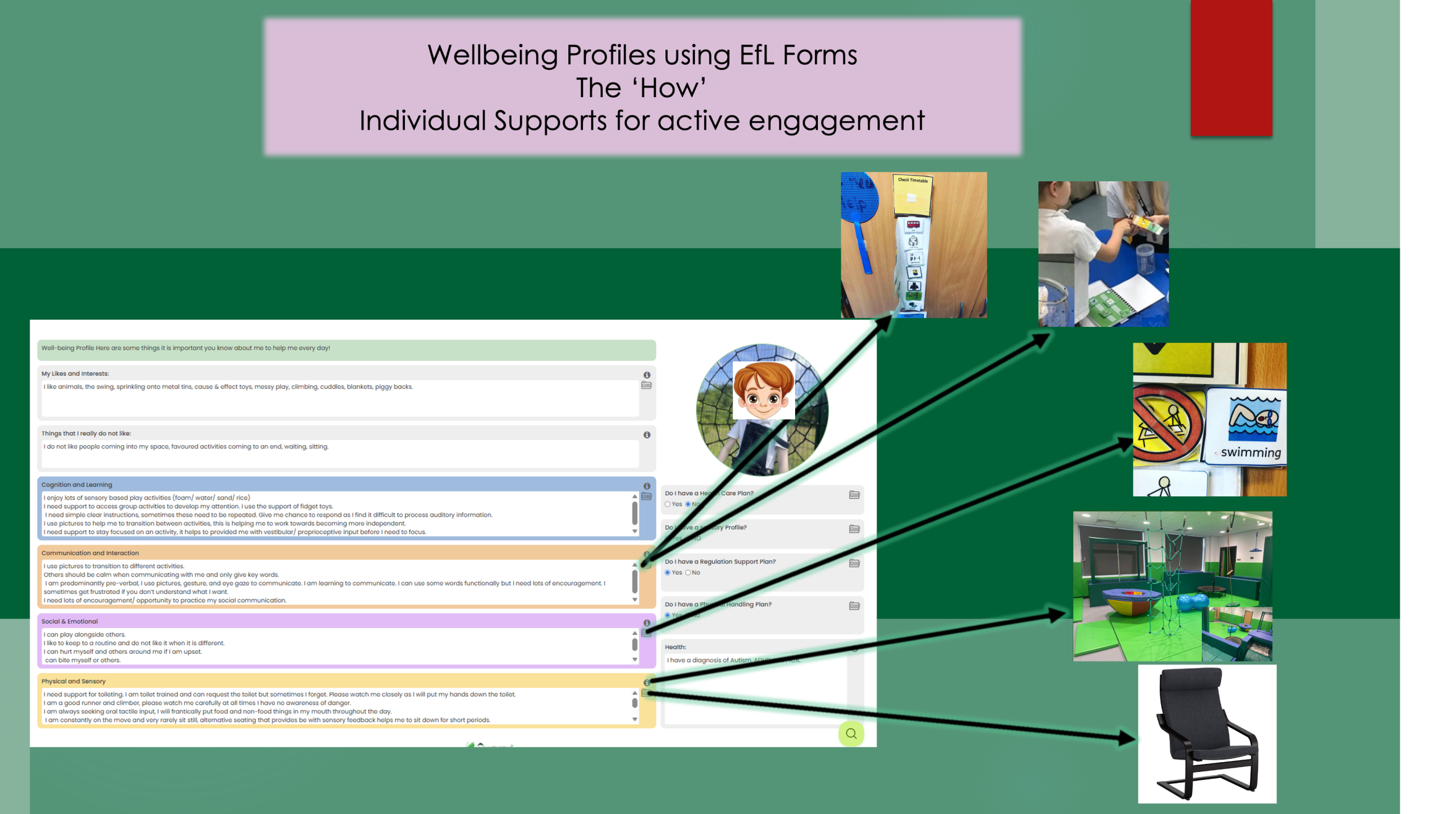
Each child has a Wellbeing Profile, created by staff who know the child well, with input from families. These profiles are created and maintained over time in EfL using EfL Forms and help everyone to understand what support a child needs to feel calm, engaged and ready to learn, both in school and in other settings.
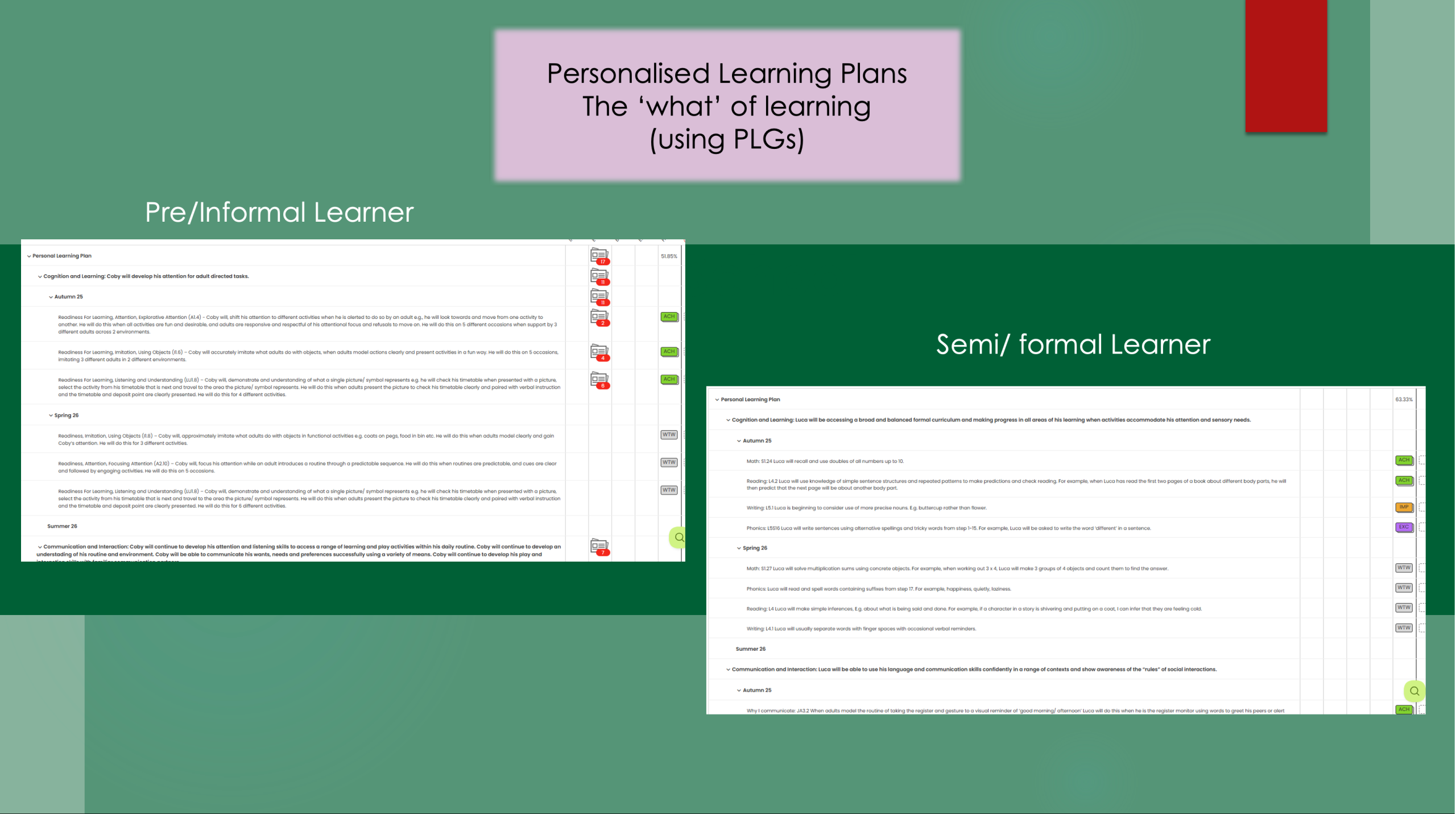
Personalised learning goals are shared with parents before they are finalised, so families can be involved in shaping them. These goals often reflect real life at home, such as preparing for a family wedding, visiting a café, managing haircuts or becoming more independent when getting dressed for school.
By working together in this way, learning stays relevant and meaningful in the classroom and as a key part of children with SEND’s everyday lives.
What Hawthorns School is most proud of
When asked what they were most proud of, Rachel’s answer was clear:
“The school is confident about why their curriculum looks the way it does. They understand why the content matters, why the context matters, and why the two cannot be separated. They can explain why a child is learning something, why it is being taught in a particular environment, and how it supports the next steps in that child’s life.
That clarity helps keep practice consistent, thoughtful and ambitious. It also helps children leave Hawthorns better able to communicate, take part and thrive beyond the school gate.”

Have a question? Email us at services@theteachercloud.net and we’ll get back to you as soon as we can. Or you can visit: Contact Us – Evidence for Learning
We’re here to help. Thanks.